Full Text (PDF)
Physiotherapy and Occupational Therapy Journal 18(2):p 153-161, April- June 2025. | DOI: 10.21088/potj.0974.5777.18225.8
Original Article
The Impact of Supervised Home-Based Progressive Resistance Exercise Programs on Depressive Symptoms in Community Dwelling Older Adults
Author Information
Licence:
Attribution-Non-commercial 4.0 International (CC BY-NC 4.0)This license enables reusers to distribute, remix, adapt, and build upon the material in any medium or format for noncommercial purposes only, and only so long as attribution is given to the creator.
Physiotherapy and Occupational Therapy Journal 18(2):p 153-161, April- June 2025. | DOI: 10.21088/potj.0974.5777.18225.8
How Cite This Article:
Aslam M. The impact of supervised home-based progressive resistance exercise programs on depressive symptoms in community dwelling older adults. Therapy Jr. 2025;18(2):153-61Timeline
Received : January 09, 2025
Accepted : February 15, 2025
Published : June 16, 2025
Abstract
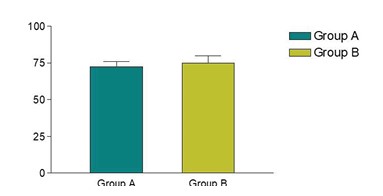
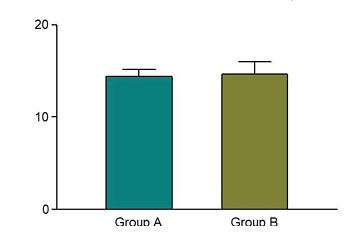
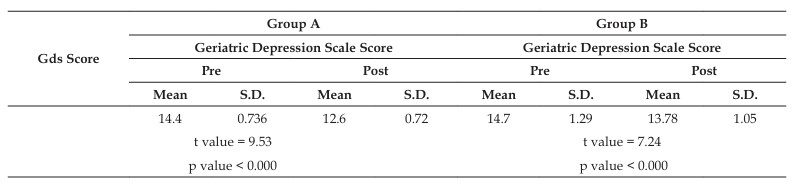
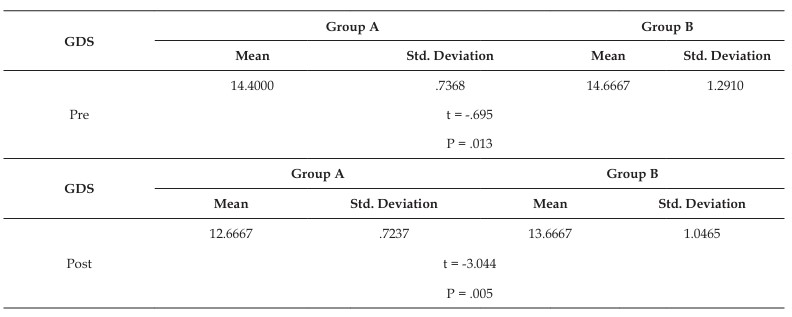
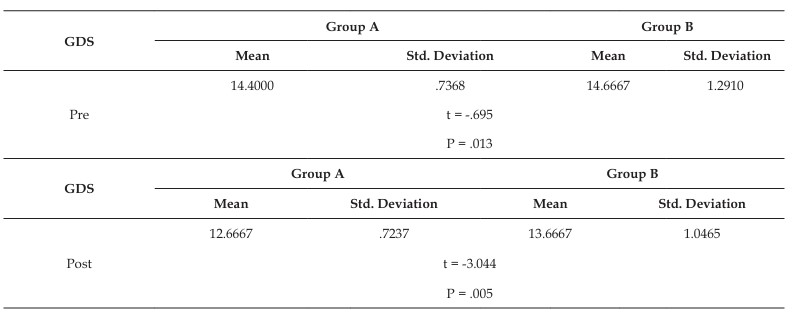
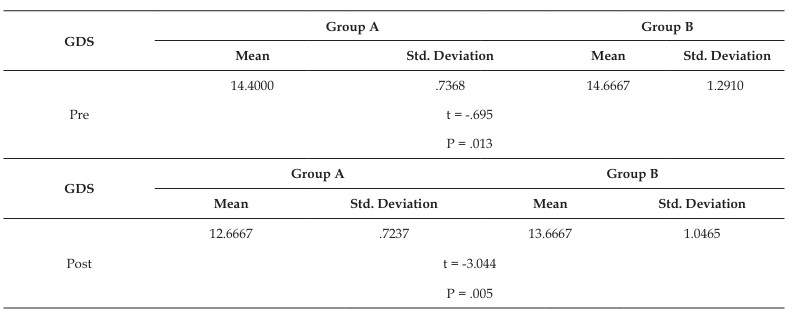
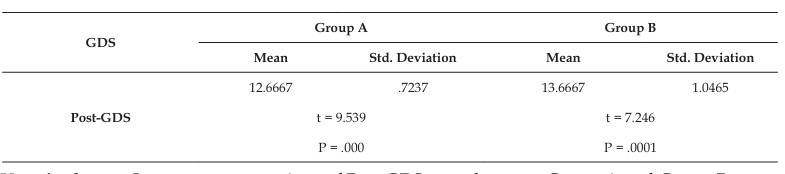
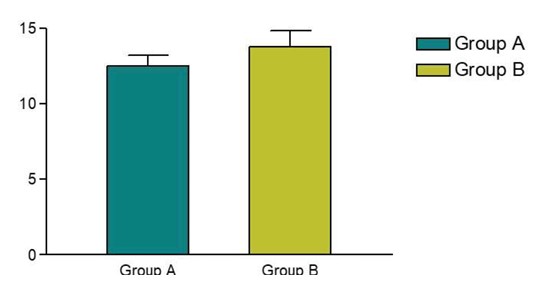
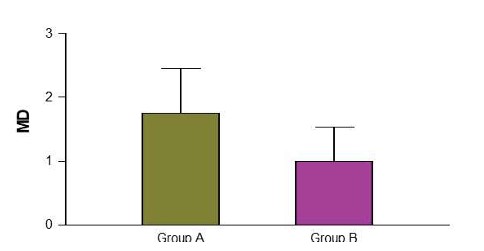
Background: Depression among elderly individuals is a prevalent concern, often leading to diminished quality of life. Progressive Resistance Exercise (PRE) has been identified as a potential intervention to all eviatede pressive symptomsinthis demographic. Objective: To evaluate the efficacy of home-based Progressive Resistance Exercise in reducing depressive symptoms among community-dwelling elderly adults. Methods: A randomized controlled trial was conducted involving 30 communitydwelling elderly individuals (15 males and 15 females) aged 65-85 years, all exhibiting mild-to-moderate depression as indicated by a Geriatric Depression Scale (GDS) score between 11 and 19. Participants were randomly assigned to two groups: • Experimental Group (n=15): Engaged in home-based Progressive Resistance Exercise. • Control Group (n=15): Participated in free active range of motion exercises. • Results: Both groups exhibited significant reductions inGDSscorespostintervention, indicating decreased depressive symptoms. The Experimental Group demonstrated a mean GDS reduction of 1.8 points, while the Control Group showed a mean reduction of 0.92 points. The difference between groups wasstatisticallysignicant(p<0.000),suggestingthatPREwasmoreeffective in reducing depressive symptoms compared to ROM exercises. • Conclusion: The study concluded that both Progressive Resistance Exercise and free active range of motion exercises are effective in reducing depressive symptoms among older adults. The findings were highly significant in both groups, with the Experimental Group showing a more pronouced improvement. This suggests that Progressive Resistance Exercise may offer a more effective intervention for alleviating depression in elderly individuals.
References
- 1. American Psychiatric Association. Diagnostic and Statistical Manual of Mental Disorders, Fifth Edition (DSM-5). American Psychiatric Association; 2013.
- 2. Alexopoulos G.S., Meyers B.S., Young R.C., et al. Neuropsychiatric aspects of late-life depression. Biol Psychiatry. 1997; 41(1): 24-34.
- 3. Blazer D.G. Depression in late life: review and synthesis. J Gerontol. 1982; 37(2): 161-169.
- 4. Reynolds C.F., 3rd, Kupfer D.J. Depression in adults. N Engl J Med. 2000; 343(25): 19411949.
- 5. Blumenthal J.A., Hoffman B.M., Sherwood A., et al. Effects of exercise on mood disorders. JAMA. 1999; 281(15): 1447-1452.
- 6. Dishman R.K., Motl R.W., Saunders R.B., et al. Physical activity and depression: a metaanalysis. Psychosom Med. 2006; 68(1): 8-16.
- 7. Blumenthal J.A., Babyak M.A., Hoffman B.M., et al. Exercise and depression: evidence-based recommendations. JAMA. 2007; 297(19): 2094-2105.
- 8. American College of Sports Medicine. ACSM’s Guidelines for Exercise Testing and Prescription. Wolters Kluwer Health; 2014.
- 9. Cotman C.W., Berchtold N.C. Exercise: a behavioral intervention to enhance brain health and plasticity. Trends Neurosci. 2002; 25(6): 295-301.
- 10. Blumenthal J.A., Babyak M.A., Hoffman B.M., et al. Exercise treatment for major depression. Psychosom Med. 2000; 62(5): 51-58.
- 11. Duman R.S., Monteggia LM. A neurotrophic model of stress-related mood disorders. Biol Psychiatry. 2006; 59(12): 1167-1170.
- 12. Musselman D.L., Cox C., Allman R.M., et al. Depression and its treatment in older adults: challenges and opportunities. J Am Geriatr Soc. 2008; 56(1): 15-24.
- 13. Babyak M.A., Blumenthal J.A., Herman S., et al. Exercise treatment for major depression. Psychosom Med. 2000; 62(5): 51-58.
- 14. Blumenthal J.A., Babyak M.A., Hoffman B.M., et al. Exercise treatment for major depression. Psychosom Med. 2000; 62(5): 51-58
- 15. Dishman R.K., Motl R.W., Saunders R.B., et al. Physical activity and depression: a metaanalysis. Psychosom Med. 2006; 68(1): 8-16.
- 16. Bertolucci, R.L., et al. (2021). The effects of resistance exercise on brain health and cognition in older adults. Neurobiology of Aging, 98, 39-46.
- 17. Bherer, L., et al. (2017). Effects of physical exercise on cognitive and brain plasticity in older adults. Journal of Aging and Physical Activity, 25(3), 189-197.
- 18. Cohen, S.M., et al. (2016). Neuroplasticity in depression: Implications for the treatment of depression with exercise. Journal of Affective Disorders, 203, 303-312.
- 19. Duman, R.S., & Aghajanian, G.K. (2012). Neurobiology of depression. Journal of Clinical Psychiatry, 73(10), e29-37.
- 20. Graham, J.E., et al. (2019). Progressive resistance training and depression: A review of the evidence and clinical recommendations. Journal of Clinical Psychopharmacology, 39(6), 633-640.
- 21. López-López, M., et al. (2020). Exercise, brain-derived neurotrophic factor (BDNF), and mental health in elderly adults. Current Alzheimer Research, 17(10), 892-901.
- 22. Naylor, E.C., et al. (2014). BDNF and depression: A review of neuroplasticity mechanisms in mental illness. Journal of Neuroscience Research, 42(8), 1133-1142.
Data Sharing Statement
There are no additional data available. All raw data and code are available upon request.
Funding
Self
Author Contributions
All authors contributed significantly to the work and approve its publication.
Ethics Declaration
This study was conducted by me and All participants provided written informed consent prior to participation.
Acknowledgements
We would like to express our gratitude to the patients, their families, and all those who have contributed to this study.
Conflicts of Interest
No conflicts of interest in this work.
About this article

Cite this article
Aslam M. The impact of supervised home-based progressive resistance exercise programs on depressive symptoms in community dwelling older adults. Therapy Jr. 2025;18(2):153-61
Licence:
Attribution-Non-commercial 4.0 International (CC BY-NC 4.0)This license enables reusers to distribute, remix, adapt, and build upon the material in any medium or format for noncommercial purposes only, and only so long as attribution is given to the creator.
| Received | Accepted | Published |
|---|---|---|
| January 09, 2025 | February 15, 2025 | June 16, 2025 |
DOI: 10.21088/potj.0974.5777.18225.8
Keywords
Depression • Progressive Resistance Exercises (PRE) • Geriatric Depression Scale (GDS) • AgingDepressionProgressive Resistance Exercises (PRE)Geriatric Depression Scale (GDS)AgingSearch for Similar Articles
Similar Articles
- Digital Healthcare Revolution: Role of E-Health Systems in Modern Society
- Evidence-Based Teaching in Physiotherapy: An Academic Review
- Secondary Versus Primary Persistent Postural-Perceptual Dizziness (PPPD): A Narr...
- Digital Transformation of Healthcare: E-Health Systems and their Impact
- To Compare the Effectiveness of Static Stretch versus Post Isometric Relaxation...
Article Level Metrics
Last UpdatedSunday 21 June 2026, 22:24:46 (IST)
1120
Accesses
2
304
00
Citations
NA
NA
NA
Download citation
Article Keywords
Keyword Highlighting
Highlight selected keywords in the article text.
Timeline
| Received | January 09, 2025 |
| Accepted | February 15, 2025 |
| Published | June 16, 2025 |
licence
Attribution-Non-commercial 4.0 International (CC BY-NC 4.0)
This license enables reusers to distribute, remix, adapt, and build upon the material in any medium or format for noncommercial purposes only, and only so long as attribution is given to the creator.