Full Text (PDF)
Indian Journal of Forensic Medicine and Pathology 19(2):p 242-246, April - June 2026. | DOI: https://doi.org/10.21088/ijfmp.0974.3383.19226.17
Case Report
Neurocysticercosis as an Unrecognized Cause of Sudden Death: A CaseBased Study
Arjun T, Mohamed Izran, Ganesh Rajahan, Sneha S., Venkatesan M., Priyadarshee Pradhan
Author Information
Licence:
Attribution-Non-commercial 4.0 International (CC BY-NC 4.0)This license enables reusers to distribute, remix, adapt, and build upon the material in any medium or format for noncommercial purposes only, and only so long as attribution is given to the creator.
Indian Journal of Forensic Medicine and Pathology 19(2):p 242-246, April - June 2026. | DOI: https://doi.org/10.21088/ijfmp.0974.3383.19226.17
How Cite This Article:
Mohamed Izran, Ganesh Rajahan, Sneha S. Venkatesan M., et al. Neurocysticercosis as an Unrecognized Cause of Sudden Death: A Case-Based Study. Indian J Forensic Med Pathol. 2026; 19(2): 242-246Timeline
Received : March 11, 2026
Accepted : May 14, 2026
Published : June 30, 2026
Abstract
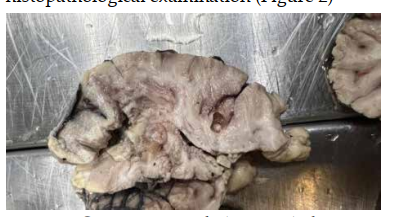
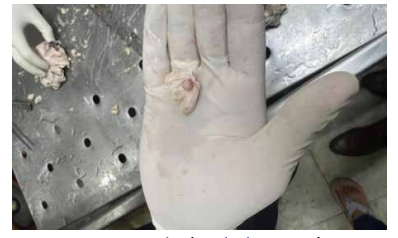
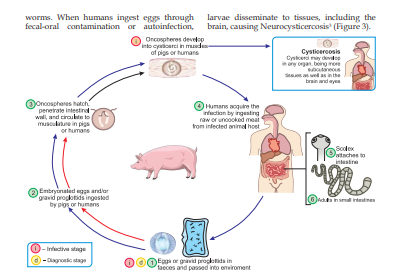
Neurocysticercosis (NCC) is a leading global cause of adult-onset epilepsy and the most common parasitic infection of the central nervous system. It is caused by the larval stage of the pork tapeworm, Taenia solium, which encysts in the brain after the ingestion of eggs. While often presenting with chronic symptoms, NCC can lead to sudden, unexpected death through acute neurological or cardiac complications. Forensic awareness and a high index of suspicion are critical for identifying subclinical infections in at-risk populations. This case is based on a 43-year-old male who had multiple episodes of seizure for which he was brought to a tertiary care hospital, where he was declared brought dead. This case highlights the significance of conducting a comprehensive medicolegal death investigation, which involves interviews with relatives and a complete forensic autopsy to establish the cause and manner of death
References
- 1. The Essentials Of Forensic Medicine And Toxicology by K S Narayan Reddy 36/e 2026 page no:137
- 2. Devi, K R., Debasish Borbora, Narayan Upadhyay, Dibyajyoti Goswami, S K. Rajguru, and Kanwar Narain. “High prevalence of neurocysticercosis among patients with epilepsy in a tertiary care hospital of Assam, India.” Tropical Parasitology 12, no. 1 (2022): 15-20.
- 3. Greenfield’s neuropathology 9th edition Pg no: 1269
- 4. “Neurocysticercosis: The Hidden Brain Parasite Crossing Global Borders In 2025.”
- 5. Coyle, Christina M.. “New Insights Into Calcified Neurocysticercosis: Closing the Knowledge Gap.” Clinical Infectious Diseases 73, no. 9 (2021).
- 6. Greenfield’s neuropathology 9th edition Pg no: 1271
- 7. (IDSA), Infectious D., and American S. (ASTMH). “Diagnosis and Treatment of Neurocysticercosis: 2017 Clinical Practice Guidelines by the Infectious Diseases Society of America (IDSA) and the American Society of Tropical Medicine and Hygiene (ASTMH).” Clinical Infectious Diseases 66, no. 8 (2017)
- 8. Perez, Alejandro, Gaurav Syngal, Samreen Fathima, Sam Laali, and Sadat Shamim. “Intraventricular neurocysticercosis causing obstructing hydrocephalus.” Proc (Bayl Univ Med Cent). 2022; 35(5): 722-724. (2022)
Data Sharing Statement
There are no additional data available. All raw data and code are available upon request.
Funding
This research received no funding.
Author Contributions
All authors contributed significantly to the work and approve its publication.
Ethics Declaration
This article does not involve any human or animal subjects, and therefore does not require ethics approval.
Acknowledgements
We would like to express our gratitude to the patients, their families, and all those who have contributed to this study.
Conflicts of Interest
No conflicts of interest in this work.
About this article

Cite this article
Mohamed Izran, Ganesh Rajahan, Sneha S. Venkatesan M., et al. Neurocysticercosis as an Unrecognized Cause of Sudden Death: A Case-Based Study. Indian J Forensic Med Pathol. 2026; 19(2): 242-246
Licence:
Attribution-Non-commercial 4.0 International (CC BY-NC 4.0)This license enables reusers to distribute, remix, adapt, and build upon the material in any medium or format for noncommercial purposes only, and only so long as attribution is given to the creator.
| Received | Accepted | Published |
|---|---|---|
| March 11, 2026 | May 14, 2026 | June 30, 2026 |
DOI: https://doi.org/10.21088/ijfmp.0974.3383.19226.17
Keywords
Sudden deathNeurocysticercosisTaenia soliumBrain stem dysfunctionCerebral edemaSearch for Similar Articles
Similar Articles
- Diatom Analysis in Thermophilic water bodies: A Study on Hot Water Springs of Ma...
- Morphometric Study of Supra-meatal Triangle and Mastoid process in the Adult dry...
- Histopathological Spectrum of Autopsy Cases: A One Year Retrospective Observatio...
- Forensic Differentiation of Manner of Death in Railway Fatalities: A FourCase Se...
- Understanding assault Patterns: A Cross-sectional study of Cases at Chri, Kelamb...
Article Level Metrics
Last UpdatedSunday 18 October 2026, 08:53:39 (IST)
16253
Accesses
50
3204
00
Citations
NA
NA
NA
Download citation
Article Keywords
Keyword Highlighting
Highlight selected keywords in the article text.
Timeline
| Received | March 11, 2026 |
| Accepted | May 14, 2026 |
| Published | June 30, 2026 |
licence
Attribution-Non-commercial 4.0 International (CC BY-NC 4.0)
This license enables reusers to distribute, remix, adapt, and build upon the material in any medium or format for noncommercial purposes only, and only so long as attribution is given to the creator.