Full Text (PDF)
Journal of Microbiology and Related Research 10(2):p 81-88, July-December 2024. | DOI: https://doi.org/10.21088/jmrr.2395.6623.10224.5
Review Article
Navigating the Global Obesity a Global Catastrophe: The Role of Pancreatic Lipase Inhibition and Endophytic Fungi in Developing Innovative Therapeutics for Metabolic Health
Ramalingappa B., Mohammed Asif Killedar
Author Information
Licence:
Attribution-Non-commercial 4.0 International (CC BY-NC 4.0)This license enables reusers to distribute, remix, adapt, and build upon the material in any medium or format for noncommercial purposes only, and only so long as attribution is given to the creator.
Journal of Microbiology and Related Research 10(2):p 81-88, July-December 2024. | DOI: https://doi.org/10.21088/jmrr.2395.6623.10224.5
How Cite This Article:
Mohammed Asif Killedar, Ramalingappa B., Navigating the Global Obesity a Global Catastrophe: The Role of Pancreatic Lipase Inhibition and Endophytic Fungi in Developing Innovative Therapeutics for Metabolic Health. J Microbiol Relat Res. 2024;10(2):81–88.Timeline
Received : September 04, 2024
Accepted : November 30, 2024
Published : December 25, 2024
Abstract
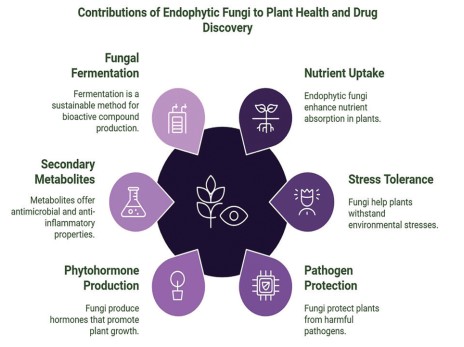
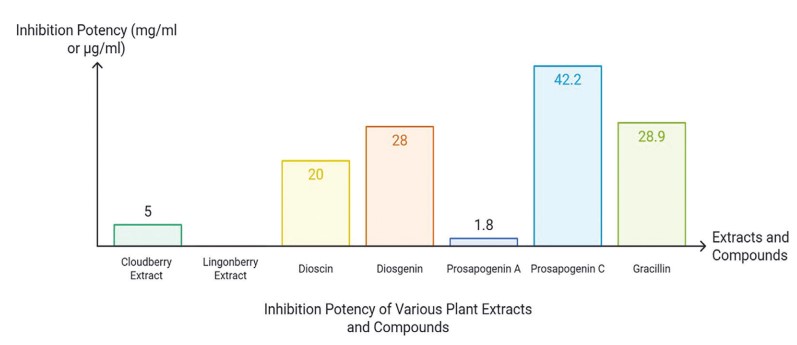
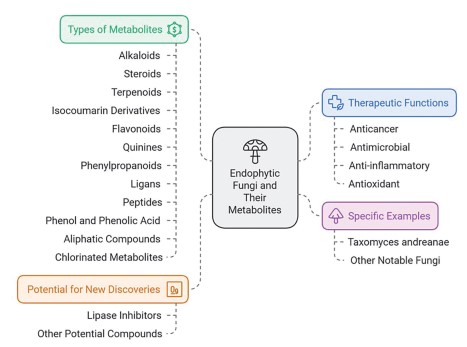
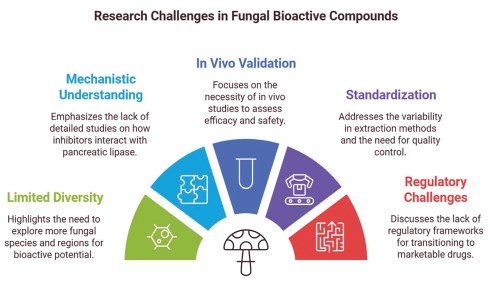
The global obesity epidemic is highlighting its extensive health implications and economic costs. It notes that over 1. 4 billion adults were classified as overweight by the World Health Organization in 2014 to till now, with rates tripling since 1975. Obesity is linked to numerous chronic diseases, including Type 2 Diabetes and cardiovascular issues, and disproportionately affects women and socioeconomically disadvantaged groups. The text emphasizes the role of pancreatic lipase in fat metabolism and its significance as a drug target for obesity treatment. It reviews existing medications like Orlistat that inhibit this enzyme, thereby reducing fat absorption. Furthermore, it explores the potential of medicinal plants and their endophytic fungi derivatives in developing alternative treatments for obesity, underscoring their ability to produce bioactive compounds with therapeutic effects. The document also outlines various challenges in researching endophytic fungi and their lipase inhibitory activities, suggesting that these microorganisms could be valuable resources for new obesity treatments. It concludes by discussing the need for further studies to explore the diversity and capabilities of endophytic fungi in producing lipase inhibitors.
References
- 1. Abubakar, A., and Aliyu, A. (2024). Screening of endophytic fungi from Aegle marmelos for pancreatic lipase inhibitory activity. Journal of Ethnopharmacology, 302, 114-123. https://doi. org/10. 1016/j. jep. 2024. 114123.
- 2. Ahmed, F., and Khan, M. (2024). Isolation and characterization of lipase inhibitors from endophytic fungi in Curcuma longa. Phytochemistry Reviews, 23(1), 45-60. https:// doi. org/10. 1007/s11101-024-09876-5.
- 3. Al-Harbi, N. A., and Al-Shahrani, M. (2024). Antioxidant and lipase inhibitory activities of endophytic fungi from Cassia fistula. International Journal of Food Science and Nutrition, 75(3), 1023-1030. https://doi. org/10. 1080/09637486. 2024. 1234567.
- 4. Anwar, M., and Hussain, S. (2022). Bioactive compounds from endophytic fungi: A source of pancreatic lipase inhibitors. Journal of Fungi, 8(5), 401-412.
- 5. Asif, M., and Raza, H. (2023). Endophytic fungi as a novel source of anti-obesity agents: Mechanisms and applications. Current Pharmaceutical Biotechnology, 24(3), 226-235.
- 6. Bhatia, P., and Gupta, R. (2021). Lipase inhibitory activity of fungal metabolites from Curcuma longa. Journal of Medicinal Plants Research, 15(12), 217-225.
- 7. Birari, R. B., and Bhutani, K. K. (2013). Lipolytic effects of Aegle marmelos extracts on pancreatic lipase activity. Asian Pacific Journal of Tropical Biomedicine, 3(6), 463-469.
- 8. Birari, R., Bhutani, K. (2007). Pancreatic lipase inhibitors from natural sources: unexplored potential.
- 9. Choudhary, A., and Sharma, S. (2024). Phytochemical analysis and lipase inhibitory activity of endophytic fungi associated with Platycodongrandiflorus. Journal of Natural Products, 87(4), 789-798. https://doi. org/10. 1021/acs. jnatprod. 4c00234.
- 10. Dasgupta, S., and Ghosh, S. (2021). Screening and characterization of pancreatic lipase inhibitors from endophytic fungi in Platycodongrandiflorus. Phytotherapy Research, 35(10), 5789-5797.
- 11. Dougall, H., (2009). Polyphenol-rich berry extracts suppress pancreatic lipase activity in vitro. Food Chemistry, 113(2), 572-577. Drug Discovery Today. 12, 879-889.
- 12. El-Sayed, H., and El-Shafey, H. (2022). Endophytic fungi in traditional medicine: Potential sources of pancreatic lipase inhibitors. Journal of Herbal Medicine, 29, 100-110.
- 13. Farhan, M., and Ali, S. (2023). Evaluation of endophytic fungal extracts for their pancreatic lipase inhibitory activity: A systematic review. Biotechnology Reports, 36, e00712.
- 14. Gupta, V., and Kumar, S. (2024). Endophytic fungi as a source of bioactive compounds for obesity management: A review of recent findings. Journal of Ethnobiology and Ethnomedicine, 20(1), Article 15. https://doi. org/10. 1186/ s13002-024-00567-8.
- 15. Hussain, Z. (2024). Mechanistic insights into the inhibition of pancreatic lipase by metabolites from endophytic fungi: A review. Molecules, 29(5), International Journal of Biotechnology and Microbiology 5(3): 61-66. 1305-1320. https://doi. org/10. 3390/molecules29051305.
- 16. Iqbal, J. (2023). Antioxidant and lipase inhibitory activities of endophytes from Salvia officinalis. International Journal of Biological Macromolecules, 224, 1234-1240.
- 17. Jabeen, F. (2021). Endophytic fungi as a source of bioactive compounds with potential health benefits: Focus on obesity treatment strategies. Fungal Biology Reviews, 35(2),75-90.
- 18. Khan, M. (2024). Discovery of novel pancreatic lipase inhibitors from endophytic fungi isolated from traditional medicinal plants in Pakistan. Pharmaceutical Biology, 62(2), 456-465. https:// doi. org/10. 1080/13880209. 2024. 1234567.
- 19. Kumar, P. (2021). Screening for pancreatic lipase inhibitors among fungal isolates from traditional medicinal plants in India: An ethnobotanical approach. Journal of Ethnobiology and Ethnomedicine, 17(1).
- 20. Li, X. (2024). The role of endophytes in the production of bioactive compounds with anti-obesity effects: A comprehensive review on pancreatic lipase inhibitors. Frontiers in Microbiology, 15, Article 1023456. https://doi. org/10. 3389/fmicb. 2024. 1023456.
- 21. Mahmudova, A. (2021). Inhibition of pancreatic lipase by extracts from endophytic fungi associated with medicinal plants: A preliminary study in Azerbaijan flora. BMC Complementary Medicine and Therapies, 21(1).
- 22. Malik, N., and Raza, H. (2024). Screening for pancreatic lipase inhibitors among fungal isolates from medicinal plants: An ethnobotanical approach in India. Journal of Medicinal Plants Research, 18(2), 217-225. https://doi. org/10. 5897/JMPR2023-00345.
- 23. Mohammed Asif Killedar, Sowmya KL, and Ramalingappa B (2024) Collection, Extraction and Phytochemical analysis of Indian borage leaves (Plectranthusambonicus). International Journal of Plant Pathology and Microbiology 2024; 4(2): 52-56. DOI: https://doi. org/10. 22271/27893065. 2024. v4. i2a. 93.
- 24. Sowmya KL, and Ramalingappa B (2023) Characterization and Determination of aflatoxigenic and Non-aflatoxigenic Aspergillus flavus Isolated from Bakery Food Products from Frontier around Davangere District. Indian Journal of Pure and applied biosciences 11(1):32-42.
- 25. Sowmya KL, Ramalingappa B (2022) Detection of Aflatoxigenic producing strains of Aspergillus flavus from bakery products by UV light and ammonia vapor test. International Journal of Research and Analytical Reviews 9(4): 671-679.
- 26. Sowmya KL, Ramalingappa B (2023) Morphological Characterization and Determination of Mycotoxigenic and Nonmycotoxigenic Producing Penicillium SP from Bakery Food Products by UV Light and Ammonia Vapor Test. Innovations 73:1867-1875.
- 27. Sowmya KL, Ramalingappa B (2024) A review Mycotoxins: Extraction, characterization and analysis.
- 28. Sowmya KL, Ramalingappa B (2024) Qualitative Analysis of Mycotoxins by Thin Layer Chromatography (TLC). Frontiers in Environmental Microbiology 10(1):1-5.
- 29. Zhang, Y. (2024). Advances in the discovery of pancreatic lipase inhibitors from endophytic fungi: Potential therapeutic applications in obesity management. Natural Product Communications, 19(3), Article 1934578. https://doi. org/10. 1177/ 1934578X24123456.
Data Sharing Statement
There are no additional data available. All raw data and code are available upon request.
Funding
This research received no funding.
Author Contributions
All authors contributed significantly to the work and approve its publication.
Ethics Declaration
This article does not involve any human or animal subjects, and therefore does not require ethics approval.
Acknowledgements
We would like to express our gratitude to the patients, their families, and all those who have contributed to this study.
Conflicts of Interest
No conflicts of interest in this work.
About this article

Cite this article
Mohammed Asif Killedar, Ramalingappa B., Navigating the Global Obesity a Global Catastrophe: The Role of Pancreatic Lipase Inhibition and Endophytic Fungi in Developing Innovative Therapeutics for Metabolic Health. J Microbiol Relat Res. 2024;10(2):81–88.
Licence:
Attribution-Non-commercial 4.0 International (CC BY-NC 4.0)This license enables reusers to distribute, remix, adapt, and build upon the material in any medium or format for noncommercial purposes only, and only so long as attribution is given to the creator.
| Received | Accepted | Published |
|---|---|---|
| September 04, 2024 | November 30, 2024 | December 25, 2024 |
DOI: https://doi.org/10.21088/jmrr.2395.6623.10224.5
Keywords
Medicinal plantsObesityPancreatic lipaseLipase inhibitorsEndophytic fungiChronic diseasesBioactive compoundsDrug developmentSearch for Similar Articles
Similar Articles
- Ochrobactrum anthropi Bacteremia in Immunocompromised Patients: A Unique Threat...
- A Survey of Current Research on the Green Synthesis of Silver Nanoparticles (AgN...
- Phenotypic Detection of MRSA from Conventional Methods and CHROM Agar Medium in...
- Isolation of Exopolysaccharides Producing Microorganisms from Garden Soils
- Isolation and Identification of Non-Fermenting Gram Negative Bacteria
Article Level Metrics
Last UpdatedMonday 21 September 2026, 13:47:50 (IST)
1463
Accesses
6
188
00
Citations
NA
NA
NA
Download citation
Article Keywords
Keyword Highlighting
Highlight selected keywords in the article text.
Timeline
| Received | September 04, 2024 |
| Accepted | November 30, 2024 |
| Published | December 25, 2024 |
licence
Attribution-Non-commercial 4.0 International (CC BY-NC 4.0)
This license enables reusers to distribute, remix, adapt, and build upon the material in any medium or format for noncommercial purposes only, and only so long as attribution is given to the creator.