Full Text (PDF)
Journal of Pharmaceutical and Medicinal Chemistry 11(1):p 17-25, Jan-June 2025. | DOI: 10.21088/jpmc.2395.6615.11125.2
Original Article
Formulation and Evaluation of Curcumin Lozenges to Treat Throat Infections
Vaseem Unnisa, A. Lakshmana Rao, S. Vijaya Naga Babu, S. Tulasi, S. Mohitha, S. Divya
Author Information
Licence:
Attribution-Non-commercial 4.0 International (CC BY-NC 4.0)This license enables reusers to distribute, remix, adapt, and build upon the material in any medium or format for noncommercial purposes only, and only so long as attribution is given to the creator.
Journal of Pharmaceutical and Medicinal Chemistry 11(1):p 17-25, Jan-June 2025. | DOI: 10.21088/jpmc.2395.6615.11125.2
How Cite This Article:
Unnisa V, Rao AL, Babu SVN, et al. Formulation and Evaluation of Curcumin Lozenges to Treat Throat Infections. J Pharmaceut Med Chem. 2025;11(1):17-25.Timeline
Received : March 01, 2025
Accepted : June 21, 2025
Published : June 30, 2025
Abstract
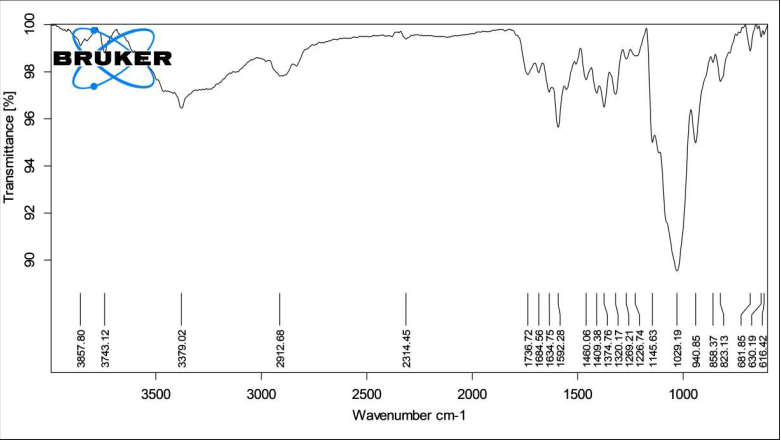
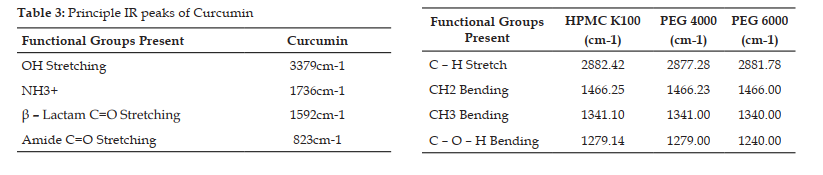
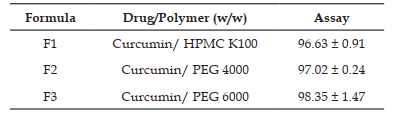
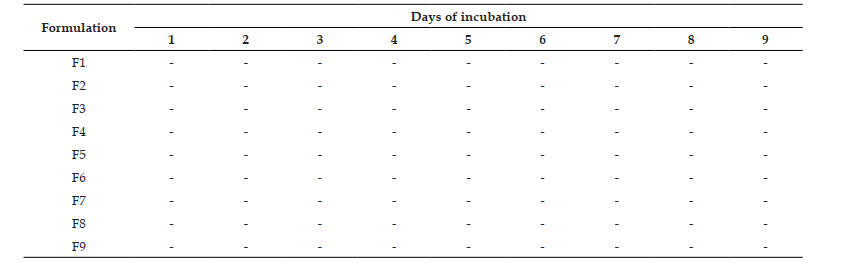
The present study focuses on the formulation and evaluation of curcumin lozenges designed for the treatment of throat infections. Curcumin, a bioactive compound with antifungal, anti-inflammatory, and antioxidant properties, is known for its low bioavailability and dissolution rate. The aim was to develop a lozenge dosage form that enhances curcumin’s bioavailability and dissolution, making it suitable for pediatric, geriatric, and dysphagic patients. Lozenges were prepared using different polymers, namely HPMC K100, PEG 4000, and PEG 6000, at varying concentrations. The formulations were evaluated for various parameters including pH, drug content, drug release, and sterility. The FT-IR studies confirmed the compatibility of curcumin with the excipients. The results showed that all formulations had acceptable drug content and passed the sterility test. Among the three formulations, the one containing 2% HPMC K100M polymer (F3) demonstrated the best release characteristics, with 95.75% of the drug released within 45 minutes. Drug release kinetics followed the first-order model, suggesting a conventional release pattern. The Higuchi model further supported that the drug release followed a dissolution mechanism, consistent with the gel-based matrix structure of the polymers. Thus, the formulation containing HPMC K100M was optimized for curcumin lozenges, providing controlled drug release for effective throat infection treatment.
References
- 1. Nair, S., & Chandy, T. (2013). Curcumin and its therapeutic benefits in the management of various health disorders. Phytotherapy Research, 27(2), 152-158.
- 2. Sharma, R. A., et al. (2005). Curcumin: The story so far. European Journal of Cancer, 41(13), 1955-1965.
- 3. Aggarwal, B. B., & Harikumar, K. B. (2009). Potential therapeutic effects of curcumin, the anti-inflammatory agent. Clinical Cancer Research, 15(17), 5424-5432.
- 4. Khan, M. I., & Maqsood, S. (2019). Nanoparticlebased delivery of curcumin: A review. International Journal of Pharmaceutics, 567(2), 448-464.
- 5. Chauhan, N., & Rathi, R. (2011). Formulation of curcumin nanoparticles for enhanced therapeutic efficacy. Asian Journal of Pharmaceutical Sciences, 6(6), 282-291.
- 6. Pandey, P., et al. (2012). Lozenges: A review on its formulation and development. International Journal of Pharmaceutical Sciences Review and Research, 16(2), 68-73.
- 7. Wagh, V. D., & Muley, M. S. (2015). A review on formulation and evaluation of curcumin lozenges for throat infection treatment. International Journal of Drug Delivery, 7(3), 63-71.
- 8. Yadav, M., & Ghosh, P. (2017). Formulation and evaluation of curcumin-loaded controlled release lozenges using HPMC. Indian Journal of Pharmaceutical Sciences, 79(1), 79-85.
- 9. Khan, M. S., & Yadav, K. (2018). Enhancement of solubility and bioavailability of curcumin by formulation of solid dispersions. Drug Development and Industrial Pharmacy, 44(1), 61-69.
- 10. Vogel, H. G. (2011). Drug Discovery and Evaluation: Pharmacological Assays (3rd ed.). Springer.
- 11. Masi, M., et al. (2016). Curcumin in pharmaceutical applications: A review on recent advances in the drug delivery systems for curcumin. European Journal of Pharmaceutics and Biopharmaceutics, 105, 81-92.
- 12. Aulton, M. E. (2018). Pharmaceutics: The science of dosage form design (4th ed.). Churchill Livingstone Elsevier.
- 13. Jones, D. A. (2005). Analytical chemistry: Methods and applications. Wiley-Interscience.
- 14. Khan, M. I., & Rehman, S. (2017). Drug-excipient compatibility studies: A review. International Journal of Pharmaceutical Sciences and Research, 8(6), 243-250. https://doi.org/ 10.13040/IJPSR.0975-8232.8(6).243-250.
- 15. Miller, J. N., & Miller, J. C. (2019). Statistics and chemometrics for analytical chemistry (7th ed.). Pearson Education Limited.
- 16. Smith, D. E., Brown, A. J., & Lee, K. (2010). UVVisible spectrophotometry: Determination of λmax. Journal of Analytical Chemistry, 85(2), 121-127.
Data Sharing Statement
There are no additional data available.
Funding
This research received no funding.
Author Contributions
All authors contributed significantly to the work and approve its publication.
Ethics Declaration
This article does not involve any human or animal subjects, and therefore does not require ethics approval.
Acknowledgements
Information not provide.
Conflicts of Interest
The authors declared no conflicts of interest.
About this article

Cite this article
Unnisa V, Rao AL, Babu SVN, et al. Formulation and Evaluation of Curcumin Lozenges to Treat Throat Infections. J Pharmaceut Med Chem. 2025;11(1):17-25.
Licence:
Attribution-Non-commercial 4.0 International (CC BY-NC 4.0)This license enables reusers to distribute, remix, adapt, and build upon the material in any medium or format for noncommercial purposes only, and only so long as attribution is given to the creator.
| Received | Accepted | Published |
|---|---|---|
| March 01, 2025 | June 21, 2025 | June 30, 2025 |
DOI: 10.21088/jpmc.2395.6615.11125.2
Keywords
CurcuminLozengesThroat InfectionsDrug ReleaseBioavailabilityDissolution MechanismSearch for Similar Articles
Similar Articles
- Pharmaceutical Care in Primary Healthcare: A Study of Nurses
- Artificial Intelligence in Pharmaceutical Research and Development: From Target...
- Developing a Structured Teaching Program for Precision Medicine in Nursing Pract...
- Comprehensive Scientific Review on the Natural Process of Aging, Anti-Aging Mech...
- Formulation and Evaluation of Herbal Lipstick from Colour Pigments of Prunus Dom...
Article Level Metrics
Last UpdatedTuesday 28 July 2026, 22:47:38 (IST)
652
Accesses
12
31
00
Citations
NA
NA
NA
Download citation
Article Keywords
Keyword Highlighting
Highlight selected keywords in the article text.
Timeline
| Received | March 01, 2025 |
| Accepted | June 21, 2025 |
| Published | June 30, 2025 |
licence
Attribution-Non-commercial 4.0 International (CC BY-NC 4.0)
This license enables reusers to distribute, remix, adapt, and build upon the material in any medium or format for noncommercial purposes only, and only so long as attribution is given to the creator.