Full Text (PDF)
Indian Journal of Research in Anthropology 12(1):p 59-67, January-June 2026. | DOI: https://doi.org/10.21088/ijra.2454.9118.12126.6
Original Article
Food Culture of Sounti Community of Keonjhar District, Odisha
Paramananda Naik, Satchidananda Dash
Author Information
Licence:
Attribution-Non-commercial 4.0 International (CC BY-NC 4.0)This license
enables reusers to distribute, remix, adapt, and build upon the material in any
medium or format for noncommercial purposes only, and only so long as
attribution is given to the creator.
Indian Journal of Research in Anthropology 12(1):p 59-67, January-June 2026. | DOI: https://doi.org/10.21088/ijra.2454.9118.12126.6
How Cite This Article:
Satchidananda Dash, Paramananda Naik. Food Culture of Sounti Community of Keonjhar District, Odisha. Ind J Res Anthropol 2026; 12(1): 59-67.Timeline
Received : January 09, 2026
Accepted : February 11, 2026
Published : June 30, 2026
Abstract
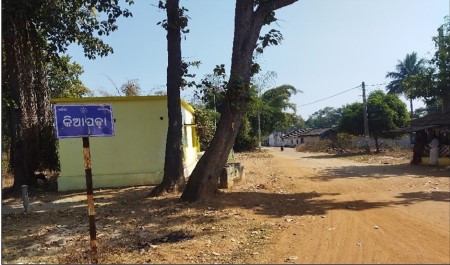
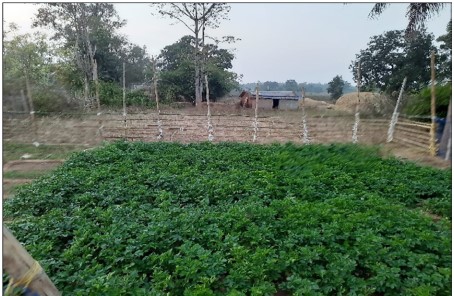
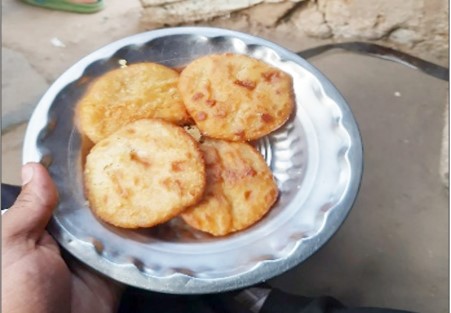
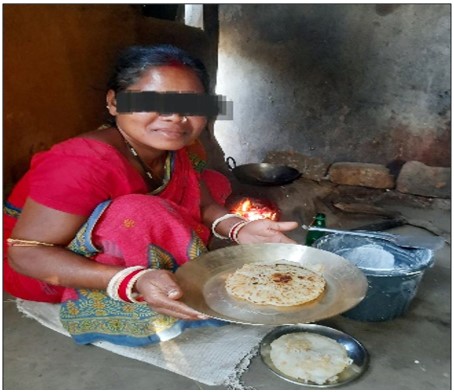
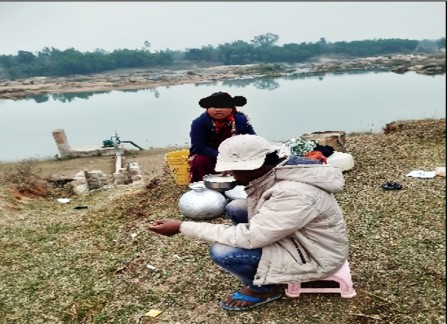
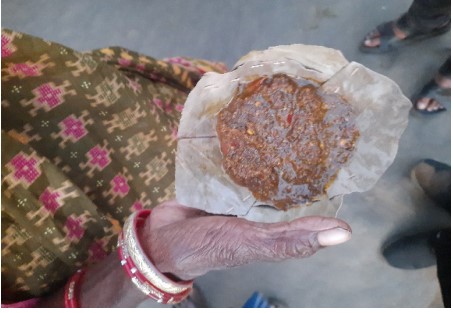
Food in the Sounti tribe of Odisha functions not only as sustenance but also as a symbolic medium of identity, kinship, and ritual life. The study rooted in symbolic and interpretive anthropology, this study examines the intergenerational transmission of food practices and their role in sustaining cultural resilience. The scope of the research is to document how ritual feasts, agricultural practices, and beverages like handia embody symbolic values and sustain social cohesion while negotiating modernization, migration, and ecological disruptions. The objectives are threefold: to analyse the symbolic role of food in everyday and ritual contexts, to explore how knowledge and practices are passed down generations, and to understand the impact of contemporary changes on traditional food ways. The ethnographic fieldwork in Kiapada village, Keonjhar district, employed participant observation, semi-structured interviews, and case studies. Findings reveal that ritual foods reinforce solidarity, women act as custodians of culinary knowledge, and meal sharing strengthens kinship ties. Although younger generations are influenced by market foods and migration, ritual contexts safeguard cultural continuity. The study suggests systematic documentation of food traditions, community sensitization for younger generations, policy interventions to preserve culinary heritage, and revival of indigenous crops as sustainable strategies for safeguarding the Sounti community’s intangible cultural heritage.
References
- 1. Appadurai, A. (1988). How to make a national cuisine: Cookbooks in contemporary India. Comparative Studies in Society and History, 30(1), 3–24. https://doi.org/10.1017/ S0010417500015024
- 2. Bisai, S., Dutta, S., & Mohapatra, P. K. D. (2023). Traditional food consumption pattern and nutritional status of Oraons: An Asian Indian indigenous community. Frontiers in Sustainable Food Systems, 7, Article 969264. https://doi.org/10.3389/fsufs.2023.969264
- 3. Douglas, M. (1984). Food in the social order. Routledge.
- 4. Geertz, C. (1973). The interpretation of cultures. Basic Books.
- 5. Goody, J. (1982). Cooking, cuisine and class. Cambridge University Press. https://doi.org/10.1017/CBO9780511607745
- 6. Lévi-Strauss, C. (1966). The culinary triangle. In J. Counihan & P. Van Esterik (Eds.), Food and culture (pp. 54–61). Routledge.
- 7. Lynn, K., Daigle, J., Hoffman, J., Lake, F., Michelle, N., Ranco, D., & Williams, P. (2014). The impacts of climate change on tribal traditional foods. In V. Crane, M. Dockry, & K. Ranco (Eds.), Climate change and Indigenous peoples in the United States: Impacts, experiences and actions (pp. 37–48). Springer. https://doi.org/10.1007/978-3-319-05266-3_4
- 8. Mahapatra, L. (1962). Socio-cultural changes in rural and tribal India. International Journal of Comparative Sociology, 3(2), 254–261. https://doi.org/10.1163/156854262X00245
- 9. Mintz, S. W. (1985). Sweetness and power: The place of sugar in modern history. Viking.
- 10. Ota, A. B., Mohanty, S. C., & Mohanty, B. N. (2020). Demographic profile of Scheduled Tribes of Odisha (1961–2011). Scheduled Castes & Scheduled Tribes Research and Training Institute (SCSTRTI), Government of Odisha.
- 11. Ota, A., & Gomango, A.K. (2014). Sounti (Photo handbook). Scheduled Castes & Scheduled Tribes Research and Training Institute (SCSTRTI), Government of Odisha.
- 12. Ritzer, G. (Ed.). (2010). McDonaldization: The reader. Pine Forge Press.
- 13. Sangta, S., & Mara, Q. (2024). Food, rituals and taboos: An exploration among the Sangtam tribe of Nagaland. Indian Journal of Anthropological Research, 3(2), 305–318.
- 14. Subramanyam, V., & Narayana Rao, S. (2023). Food insecurity, poverty and malnutrition among Particularly Vulnerable Tribal Groups in Andhra Pradesh: Role of the government to mitigate problems. Indian Journal of Anthropological Research, 2(1), 77–94.
- 15. Wahlqvist, M.L. (2007). Regional food culture and development. Asia Pacific Journal of Clinical Nutrition, 16(Suppl 1), 2–7.
Data Sharing Statement
There are no additional data available. All raw data and code are available upon request.
Funding
This research received no funding.
Author Contributions
All authors contributed significantly to the work and approve its publication.
Ethics Declaration
This article does not involve any human or animal subjects, and therefore does not require ethics approval.
Acknowledgements
We would like to express our gratitude to the patients, their families, and all those who have contributed to this study.
Conflicts of Interest
No conflicts of interest in this work.
About this article

Cite this article
Satchidananda Dash, Paramananda Naik. Food Culture of Sounti Community of Keonjhar District, Odisha. Ind J Res Anthropol 2026; 12(1): 59-67.
Licence:
Attribution-Non-commercial 4.0 International (CC BY-NC 4.0)This license
enables reusers to distribute, remix, adapt, and build upon the material in any
medium or format for noncommercial purposes only, and only so long as
attribution is given to the creator.
| Received | Accepted | Published |
|---|---|---|
| January 09, 2026 | February 11, 2026 | June 30, 2026 |
DOI: https://doi.org/10.21088/ijra.2454.9118.12126.6
Keywords
FoodIdentityRitualSymbolicHeritageSearch for Similar Articles
Similar Articles
- Contemporary Issues and Challenges in Women’s Weavers in the Varanasi Silk Saree...
- Understanding through Traversing the Corridors of History: Richness of Indian He...
- Challenges and Opportunities in Digital Preservation of Intangible Culture Herit...
- Assessment of Nutritional Indicators: A Comparative Study among Pre-School Child...
- Prenatal and Postnatal Health-Seeking Behaviour among the Muria Tribe of Bastar...
Article Level Metrics
Last UpdatedFriday 23 October 2026, 12:27:14 (IST)
2456
Accesses
62
529
00
Citations
NA
NA
NA
Download citation
Article Keywords
Keyword Highlighting
Highlight selected keywords in the article text.
Timeline
| Received | January 09, 2026 |
| Accepted | February 11, 2026 |
| Published | June 30, 2026 |
licence
Attribution-Non-commercial 4.0 International (CC BY-NC 4.0)
This license
enables reusers to distribute, remix, adapt, and build upon the material in any
medium or format for noncommercial purposes only, and only so long as
attribution is given to the creator.