Full Text (PDF)
Journal of Plastic Surgery and Transplantation 3(1):p 23-26, January–June 2023. | DOI: NA
Original Article
Epidemiological Study of Pediatric Burns Admitted to A Tertiary Burn Care Center
Vinayak Chavan, Ravi Kumar Chittoria, Abhinav Aggarwal, Saurabh Gupta, Likhitha Reddy C, Padma Lakshmi Bharathi Mohan
Author Information
Licence:
Attribution-Non-commercial 4.0 International (CC BY-NC 4.0)This license enables reusers to distribute, remix, adapt, and build upon the material in any medium or format for noncommercial purposes only, and only so long as attribution is given to the creator.
Journal of Plastic Surgery and Transplantation 3(1):p 23-26, January–June 2023. | DOI: NA
How Cite This Article:
Chavan V, Chittoria RK, Aggarwal A, et al. Epidemiological Study of Pediatric Burns Admitted to A Tertiary Burn Care Center. J Plast Surg Transplant. 2023;3(1):23–26.Timeline
Received : May 02, 2023
Accepted : June 04, 2023
Published : June 15, 2023
Abstract
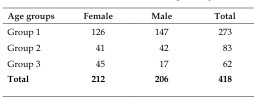
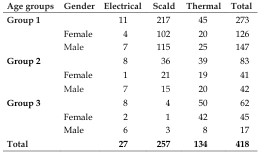
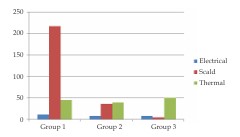
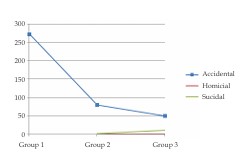
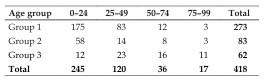
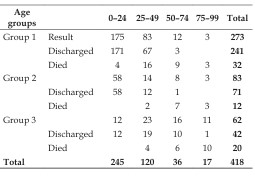
Background: Pediatric burns are reported to be amongst the most prevalent traumatic injuries around the world, most of which occurring in accidental domestic environment, that are preventable. Currently little literature exists regarding pediatric burns in Indian scenario, with this study, we aim to suggest measures that may be taken to prevent burns in children. Methods: It is a retrospective study of pediatric burns patient under 18 years of age during the period of January 2014 to May 2018 presenting to JIPMER tertiary burn centre. Data was collected from hospital online record system and discharge summaries. Epidemiological data were analysed with children divided into three group’s viz. 0–6 years, 7–12 years, and 13–18 years respectively. Results: A total of 418 pediatric burn cases were studied. Male and female children were nearly equally affected. 96.4% burns were accidental in aetiology. Scald burn was the most common mode of injury overall (61.48%), whereas thermal & electrical burns were more common in older children. In our study, overall mortality was 15.31%. Conclusions: Pediatric burns are preventable burns with chronic complication sequel. Aggressive management helps to reduce the mortality and morbidity. This study highlights the aetiology and risk factors for burns in children of different age groups, which help in establishing safety measures. Through a multidisciplinary approach, considerable progress can be made not only in lowering the death rates, but also in achieving the goal of physical, social and psychological rehabilitation in paediatric burn patients.
References
- 1. Gupta M, Gupta OK, Yaduvanshi RK, et al. Burn epidemiology: The Pink City scene. Burns. 1993;19:47–151.
- 2. Rayner R, Prentice J. Paediatric burns: a brief global review. Wound Practice & Research: Journal of the Australian Wound Management Association. 2011 Mar; 19(1):39.
- 3. Ahuja RB, Bhattacharya S. An analysis of 11,196 burn admissions and evaluation of conservative management techniques. Burns. 2002 Sep 1; 28(6):555–61.
- 4. Sharma RK, Parashar A. Special considerations in paediatric burn patients. Indian Journal of Plastic Surgery: Official Publication of the Association of Plastic Surgeons of India. 2010 Sep; 43(Suppl):S43.
- 5. Dhopte A, Tiwari VK, Patel P, et al. Epidemiology of pediatric burns and future prevention strategies: A study of 475 patients from a high-volume burn center in North India. Burns & trauma. 2017 Dec; 5(1):1.
- 6. Krishnamoorthy V, Ramaiah R, Bhananker SM. Pediatric burn injuries. International journal of critical illness and injury science. 2012 Sep;2(3):128.
- 7. Lowell G, Quinlan K, Gottlieb LJ. Preventing unintentional scald burns: moving beyond tap water. Pediatrics. 2008 Oct 1;122(4):799–804.
- 8. Lal ST, Bhatti DJ. Burn injury in infants and toddlers: Risk factors, circumstances, and prevention. Indian Journal of Burns. 2017 Jan 1;25(1):72.
- 9. Verma SS, Srinivasan S, Vartak AM. An epidemiological study of 500 paediatric burn patients in Mumbai, India. Indian Journal of Plastic Surgery. 2007 Jul 1;40(2):153.
Data Sharing Statement
There are no additional data available.
Funding
This research received no funding.
Author Contributions
All authors contributed significantly to the work and approve its publication.
Ethics Declaration
This article does not involve any human or animal subjects, and therefore does not require ethics approval.
Acknowledgements
We would like to express our gratitude to the patients, their families, and all those who have contributed to this study.
Conflicts of Interest
No conflicts of interest in this work.
About this article

Cite this article
Chavan V, Chittoria RK, Aggarwal A, et al. Epidemiological Study of Pediatric Burns Admitted to A Tertiary Burn Care Center. J Plast Surg Transplant. 2023;3(1):23–26.
Licence:
Attribution-Non-commercial 4.0 International (CC BY-NC 4.0)This license enables reusers to distribute, remix, adapt, and build upon the material in any medium or format for noncommercial purposes only, and only so long as attribution is given to the creator.
| Received | Accepted | Published |
|---|---|---|
| May 02, 2023 | June 04, 2023 | June 15, 2023 |
DOI: NA
Keywords
Search for Similar Articles
Similar Articles
- Application of Amnion Allograft in Treatment of Thermal Burns
- Bio-cellulose Dressing in the Management of Deep Second-Degree Burns: Our Experi...
- Autologous Whole Blood Clot Matrix in the Management of SecondDegree Burns
- CT Image Reconstruction & 3D Reconstruction CT in Plastic Surgery: A Review
- Out of Love and Affection: A Medicolegal Paradox for Denying Gains Vs Pleading C...
Article Level Metrics
Last UpdatedMonday 26 October 2026, 00:52:42 (IST)
1127
Accesses
7
539
00
Citations
NA
NA
NA
Download citation
Article Keywords
Keyword Highlighting
Highlight selected keywords in the article text.
Timeline
| Received | May 02, 2023 |
| Accepted | June 04, 2023 |
| Published | June 15, 2023 |
licence
Attribution-Non-commercial 4.0 International (CC BY-NC 4.0)
This license enables reusers to distribute, remix, adapt, and build upon the material in any medium or format for noncommercial purposes only, and only so long as attribution is given to the creator.