Full Text (PDF)
Physiotherapy and Occupational Therapy Journal 17(2):p 75-82, April – June 2024. | DOI: http://dx.doi.org/10.21088/potj.0974.5777.17224.2
Original Article
Effectiveness of Pelvic Floor Muscles Strengthening Exercises & Control Group for Treatment of Symptoms of Peri-Menopausal & Menopausal Women
Niraj Kumar, Tabussum null, Zia Abbas Naqvi, Sharda Sharma
Author Information
Licence:
Attribution-Non-commercial 4.0 International (CC BY-NC 4.0)This license enables reusers to distribute, remix, adapt, and build upon the material in any medium or format for noncommercial purposes only, and only so long as attribution is given to the creator.
Physiotherapy and Occupational Therapy Journal 17(2):p 75-82, April – June 2024. | DOI: http://dx.doi.org/10.21088/potj.0974.5777.17224.2
How Cite This Article:
Tabussum, Kumar N, Naqvi ZA, et al. Effectiveness of pelvic floor muscles strengthening exercises & control group for treatment of symptoms of peri-menopausal & menopausal women. Physio Ther Occup Ther J. 2024;17(2):75-82.Timeline
Received : June 03, 2024
Accepted : August 23, 2024
Published : June 30, 2024
Abstract
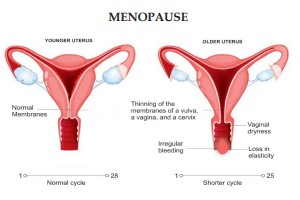
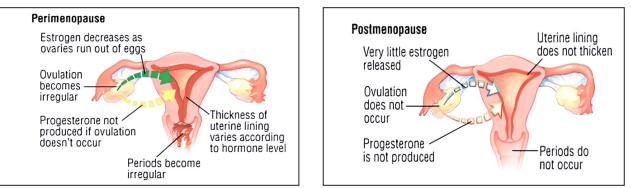
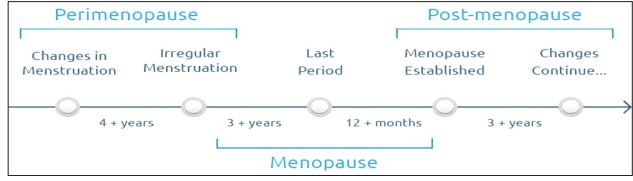
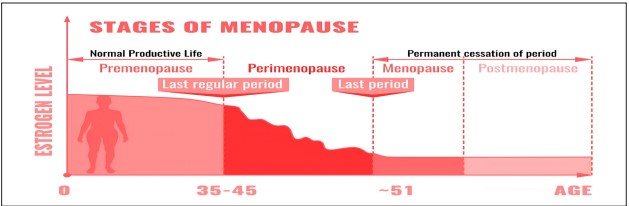
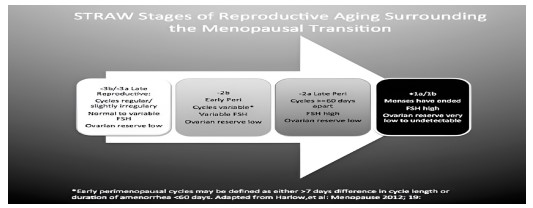
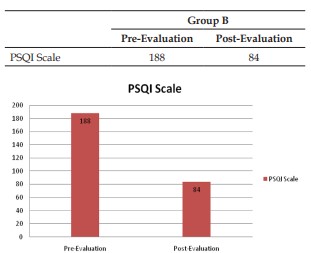
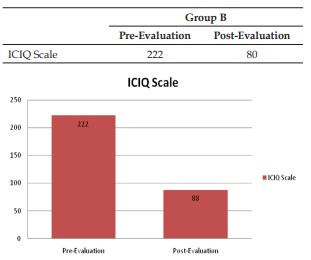
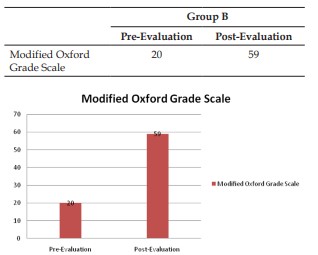
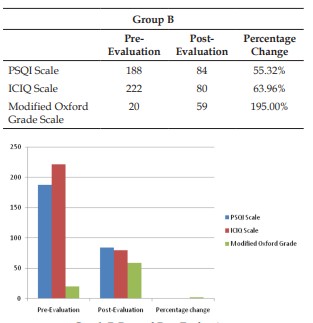
Introduction: Menopause is defined as a complete year without menstrual bleeding due to a natural decline in reproductive hormones or natural cessation, or stopping, of a woman's menstrual cycle, and marks the end of fertility. It typically occurs between the ages of 45 and 55, but can develop before or after this age range.1,2 Menopause is the point when a woman no longer has menstrual periods for at least 12 months. At this stage, the ovaries have stopped releasing eggs and producing most of their estrogen.3 The decrease in estrogen levels produces a series of symptoms that impair physical, mental, quality of life (QOL), affecting the and sexual health of women.3,4 Need of Study: The primary problem in peri-menopausal and menopausal women is perineal laxity, vaginal laxity, urinary incontinence & pain in pelvic region. Methodology: After random sampling, subjects will be divided into two groups, each group consist of 15 patient of both male and female. Group A received Pelvic Floor Muscles Strengthening Exercises & Trans-cutaneous Electrical Nerve Stimulation (TENS) subjects receive the treatment for 4 days/week for 12 weeks, session of 45-60 minutes Subjects were positioned on a treatment couch in supine position with adequate back support. The position of patient was changed according to the exercise protocol. Conclusion: This is concluded that PFM Strengthening Training & TENS in Group A (Experimental Group) is more effective than the Home treatment program only PFM Strengthening Training in Group B (Controlled group) to improving PFM strength and relieve the symptoms in Peri-menopause & Menopause Women after 12 weeks (4days/week) of intervention.
References
No records found.
Data Sharing Statement
There are no additional data available.
Funding
This research received no funding.
Author Contributions
All authors contributed significantly to the work and approve its publication.
Ethics Declaration
This article does not involve any human or animal subjects, and therefore does not require ethics approval
Acknowledgements
Information Not Provided
About this article

Cite this article
Tabussum, Kumar N, Naqvi ZA, et al. Effectiveness of pelvic floor muscles strengthening exercises & control group for treatment of symptoms of peri-menopausal & menopausal women. Physio Ther Occup Ther J. 2024;17(2):75-82.
Licence:
Attribution-Non-commercial 4.0 International (CC BY-NC 4.0)This license enables reusers to distribute, remix, adapt, and build upon the material in any medium or format for noncommercial purposes only, and only so long as attribution is given to the creator.
| Received | Accepted | Published |
|---|---|---|
| June 03, 2024 | August 23, 2024 | June 30, 2024 |
DOI: http://dx.doi.org/10.21088/potj.0974.5777.17224.2
Keywords
PSQIICIQModified Oxford Grading ScaleAssessment through self report questionnairesSearch for Similar Articles
Similar Articles
- Leadership in Physiotherapy: A Narrative Review
- Effectiveness of Low Level Laser Theapy in the Management of Temporomandibular J...
- The Impact of Air Pollution on Cardiopulmonary Health: Molecular Mechanisms, Pre...
- Efectiveness of Physiotherapy in Postpartum Women with Diastasis Recti: A Review
- Pain Neuroscience Education: Transforming Physiotherapy Practice
Article Level Metrics
Last UpdatedSaturday 24 October 2026, 17:56:12 (IST)
4390
Accesses
14
739
00
Citations
NA
NA
NA
Download citation
Article Keywords
Keyword Highlighting
Highlight selected keywords in the article text.
Timeline
| Received | June 03, 2024 |
| Accepted | August 23, 2024 |
| Published | June 30, 2024 |
licence
Attribution-Non-commercial 4.0 International (CC BY-NC 4.0)
This license enables reusers to distribute, remix, adapt, and build upon the material in any medium or format for noncommercial purposes only, and only so long as attribution is given to the creator.