Full Text (PDF)
Journal of Global Medical Education and Research 8(2):p 45-55, July -Dec. 2025. | DOI: n.a
Original Article
Collaborative Care Models for Sickle Cell and Mental Health Management
Author Information
Licence:
Attribution-Non-commercial 4.0 International (CC BY-NC 4.0)This license enables reusers to distribute, remix, adapt, and build upon the material in any medium or format for noncommercial purposes only, and only so long as attribution is given to the creator.
Journal of Global Medical Education and Research 8(2):p 45-55, July -Dec. 2025. | DOI: n.a
How Cite This Article:
Bayaskar S. Collaborative Care Models for Sickle Cell and Mental Health Management. Jr of Glob Med Edu and Res. 2025;8(2):45–55.Timeline
Received : July 30, 2025
Accepted : December 30, 2025
Published : December 30, 2025
Abstract
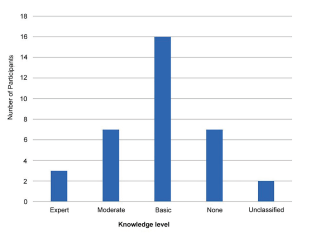
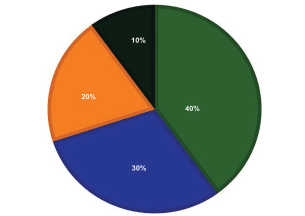
Background: Sickle cell anemia (SCA) remains a major public health concern in high-risk and tribal populations in India, yet awareness and psychological support remain limited. This study aimed to explore both the level of awareness and the psychological burden experienced by individuals with lived experience, caregivers, and tribal residents. Methods: A qualitative design was used, treating survey responses from 35 participants as in-depth interview data. Thematic analysis was conducted to identify key themes related to awareness, emotional impact, and communitybased solutions. Participants included healthcare workers, caregivers, patients, and individuals from tribal communities. Results: Findings revealed substantial knowledge gaps: 20% of participants reported no awareness of SCA, 45.7% had basic knowledge, 20% moderate, and only 8.6% showed expert-level understanding. Participants strongly favored community-driven awareness approaches, including school-based programs (40%), tribal screening camps (30%), and targeted media campaigns (20%). The psychological toll was evident 60% reported stress, 40% anxiety, and 48.6% irritability. Individuals with caregiving or lived experience reported heightened frustration and emotional burden. Tribal participants highlighted cultural misconceptions and poor access to care. A key pattern emerged: those with lower awareness levels experienced significantly greater psychological distress. Conclusion: There is a clear need for integrated, culturally sensitive strategies that combine SCA education with accessible mental health support. Strengthening collaborative care models through local outreach, school programs, and psychosocial counseling may reduce knowledge deficits and emotional distress among high-risk populations. Author’
References
- 1. Piel, F.B., et al. (2013). Global epidemiology of sickle cell disease. American Journal of Preventive Medicine, 45(4), 425–431.
- 2. Mangla, A., Agarwal, N., & Maruvada, S. (2023). Sickle cell anemia. StatPearls.
- 3. Edwards, C.L., et al. (2017). Depression and anxiety in adults with sickle cell disease. Journal of Health Psychology, 22(7), 812–821.
- 4. Anie, K.A., & Steptoe, A. (2003). Psychological aspects of sickle cell disease: Caregiver burden and coping. British Journal of Health Psychology, 8(2), 171–185.
- 5. Katon, W.J., et al. (2010). Collaborative care for patients with depression and chronic illnesses. New England Journal of Medicine, 363(27), 2611– 2620.
- 6. Nnodu, O.E., et al. (2021). Child mortality from sickle cell disease in Nigeria. Lancet Haematology, 8, e723–e731.
- 7. Colah, R.B., et al. (2015). Sickle cell disease in tribal populations in India. Indian Journal of Medical Research, 141(5), 509–515.
- 8. Kassebaum, N.J., et al. (2023). Global, regional, and national prevalence and mortality burden of sickle cell disease, 2000–2021. The Lancet Haematology.
- 9. Mohanty, D., & Pathak, A. (2018). Challenges in sickle cell disease management in rural India. Hematology/Oncology Clinics of North America, 32(5), 793–805.
- 10. Ministry of Tribal Affairs (2023). National Sickle Cell Anaemia Elimination Mission.
- 11. Kamble, M., & Chatruvedi, P. (2017). Social stigma and sickle cell disease in India. Indian Journal of Community Medicine, 42(3), 130–134.
- 12. Dyson, S.M., et al. (2010). Psychosocial impacts of sickle cell disorder: A review. Ethnicity and Disease, 20(1), 92–97.
- 13. Kish, B., & Wang, Y. (2025). Cerebral hemodynamics in sickle cell disease using BOLD fMRI. Imaging Neuroscience.
- 14. Current Study Data (2025). Thematic analysis of 35 participant responses.
- 15. Barakat, L.P., et al. (2014). The role of knowledge in psychological adjustment to sickle cell disease. Pediatric Blood & Cancer, 61(6), 1023–1029.
- 16. Devi, S., et al. (2025). India Sickle Cell Disease Stigma Scale (ISSSI). The Lancet Regional Health – Southeast Asia.
- 17. Kar, B.C., et al. (2019). Community-based education for sickle cell disease in Odisha. Indian Pediatrics, 56(4), 287–292.
- 18. Berthaut, I., et al. (2017). Adverse effect of hydroxyurea on spermatogenesis in sickle cell anemia. Blood, 130, 2354–2356.
- 19. Acharya, B., et al. (2023). Recent progress in the treatment of sickle cell disease: An up-to-date review. Beni-Suef University Journal of Basic and Applied Sciences, 12, 38.
- 20. Wilson, S.R., & Little, J.A. (2025). Sickle cell disease in 2024: One step forward and two steps back. The Hematologist, 22(1).
- 21. Alghamdi, F.A., et al. (2025). TALEN-mediated HBB correction for sickle cell disease. Nature Communications.
- 22. Eapen, M., et al. (2023). Secondary neoplasms after hematopoietic cell transplant for sickle cell disease. Journal of Clinical Oncology, 41(12), 2227–2237.
- 23. Cliff, E.R.S., & Tessema, F.A. (2024). The double-edged sword of extremely high prices for gene therapies in sickle cell disease. JAMA, 332(9), 703–704.
- 24. Vasquez-Martinez, G., et al. (2024). Sickle cell disease update: New treatments and challenging nutritional interventions. Biomedicines.
- 26. Gil, K.M., et al. (2016). Integrated care for sickle cell disease: A pilot study. Journal of Pediatric Hematology/Oncology, 38(4), 255–260.
- 27. Serjeant, G.R., & Serjeant, B. E. (2018). Sickle cell disease screening in rural communities. British Journal of Haematology, 182(4), 486–494.
- 28. Adegoke, S.A., et al. (2016). School-based interventions for sickle cell disease awareness in Nigeria. Journal of Pediatric Hematology/ Oncology, 38(5), 355–360.
- 29. Gupta, P., et al. (2020). Virtual reality for pain management in sickle cell disease. Pediatric Blood & Cancer, 67(4), e28143.
- 30. American Society of Hematology (2024). Sickle cell disease research priorities. Hematology.org.
- 31. Smith, W.R., et al. (2021). Digital overload and mental health in chronic illness patients. Journal of Psychosomatic Research, 145, 110465.
- 32. Pecker, L., et al. (2023). Reproductive health disparities in sickle cell disease. The Hematologist.
- 33. Singh, A., et al. (2023). Common data model for sickle cell disease surveillance. JMIR Public Health Surveillance, 9, e42816.
- 34. McGee, B.T., et al. (2024). Prevalence of sickle cell disease in Colorado. JMIR Public Health Surveillance, 10, e64995
Data Sharing Statement
There are no additional data available. All raw data and code are available upon request.
Funding
This research received no funding.
Author Contributions
All authors contributed significantly to the work and approve its publication.
Ethics Declaration
This article does not involve any human or animal subjects, and therefore does not require ethics approval.
Acknowledgements
We would like to express our gratitude to the patients, their families, and all those who have contributed to this study.
Conflicts of Interest
No conflicts of interest in this work.
About this article

Cite this article
Bayaskar S. Collaborative Care Models for Sickle Cell and Mental Health Management. Jr of Glob Med Edu and Res. 2025;8(2):45–55.
Licence:
Attribution-Non-commercial 4.0 International (CC BY-NC 4.0)This license enables reusers to distribute, remix, adapt, and build upon the material in any medium or format for noncommercial purposes only, and only so long as attribution is given to the creator.
| Received | Accepted | Published |
|---|---|---|
| July 30, 2025 | December 30, 2025 | December 30, 2025 |
DOI: n.a
Keywords
Sickle cell anemiaAwarenessPsychological impactHigh-risk populationsTribal communitiesLived experienceCaregiversAnxietySearch for Similar Articles
Similar Articles
- Knowledge of Antenatal Mothers on Breastfeeding: A Descriptive CrossSectional St...
- Consumer Law and the Medical Profession in India: Post–CPA Inclusion and the Tr...
- What Textbooks Taught Me - and What I Learnt Later
- Establishing the Pain Management Effect of Marma Tantra in Janu Sandhigatavata...
- Autologous Platelet Rich Plasma as an Adjunct for Enhanced Thermal Burn Wound He...
Article Level Metrics
Last UpdatedTuesday 08 September 2026, 02:18:30 (IST)
722
Accesses
19
93
00
Citations
NA
NA
NA
Download citation
Article Keywords
Keyword Highlighting
Highlight selected keywords in the article text.
Timeline
| Received | July 30, 2025 |
| Accepted | December 30, 2025 |
| Published | December 30, 2025 |
licence
Attribution-Non-commercial 4.0 International (CC BY-NC 4.0)
This license enables reusers to distribute, remix, adapt, and build upon the material in any medium or format for noncommercial purposes only, and only so long as attribution is given to the creator.