Full Text (PDF)
Journal of Cardiovascular Medicine and Surgery 10(3-4):p 75-78, July -Dec. 2024. | DOI: http://dx.doi.org/10.21088/jcms.2454.7123.103424.3
Review Article
Role of Cardiac Evaluation in Young Competitive Athletes with Physiological Hypertrophic Cardiomyopathy and Bradycardia: Analytical Review
Charles O. Masese, Faith Chebet, Timothy V, Anthony Gikonyo, Premanand Ponoth, Dan Gikonyo
Author Information
Licence:
Attribution-Non-commercial 4.0 International (CC BY-NC 4.0)This license enables reusers to distribute, remix, adapt, and build upon the material in any medium or format for noncommercial purposes only, and only so long as attribution is given to the creator.
Journal of Cardiovascular Medicine and Surgery 10(3-4):p 75-78, July -Dec. 2024. | DOI: http://dx.doi.org/10.21088/jcms.2454.7123.103424.3
How Cite This Article:
Masese CO, Chebet F, Wachira T, et al. Role of cardiac evaluation in young competitive athletes with physiological hypertrophic cardiomyopathy and bradycardia: analytical review. J Cardiovasc Med Surg. 2024;10(3-4):75-78.Timeline
Received : June 26, 2024
Accepted : August 17, 2024
Published : December 29, 2024
Abstract
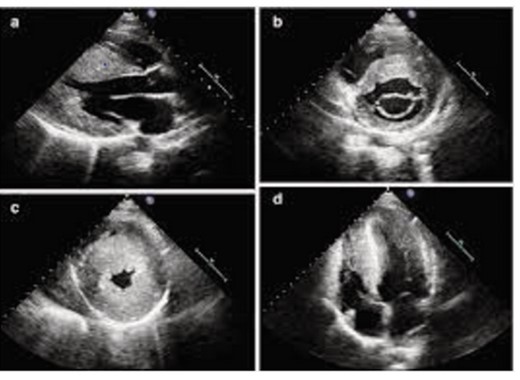
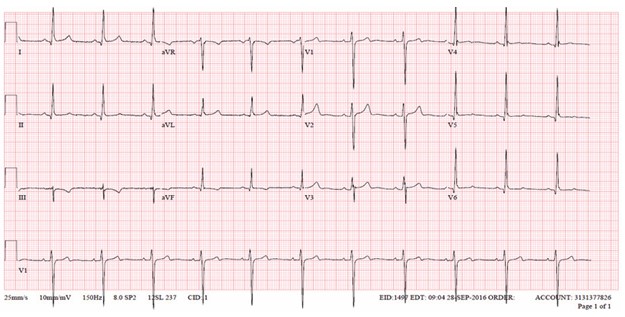
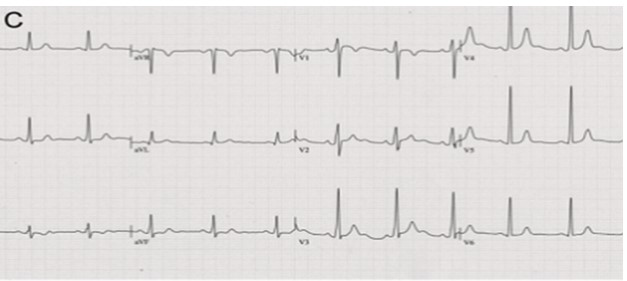
Background: Athletes hearts are generally larger and stronger than those of non-athletes due to their physical demand Cardiomyopathy of their sports. This is due to physiological adaptation to regular intense exercise. Hypertrophic cardiomyopathy (HCM) is a cardiac disorder characterized by thickening of the heart muscle, which can lead to heart failure, arrhythmias, and sudden cardiac death. Athletes with HCM may be at increased risk of adverse cardiac events due to the combination of exercise-induced changes in heart function and the underlying cardiac abnormalities. Bradycardia typically is a heart rate of less than 60 beats per minute. Athletes may develop bradycardia as a result of their training, adaptation of the heart in response to regular physical activity" commonly known as athlete's heart."Athletes with HCM develop an enlarged heart, which can be mistaken for" athlete's heart. Objectives: To provide an overview of the prevalence, diagnosis, and management of HCM in athletes. Method: A case study of 25-year-old who presented with shortness of breath, chest pains, and palpitations on exertion. He had an electrocardiogram and echocardiogram with features of HCM; however, the LV diastolic function was normal and cardiopulmonary exercise testing revealed high peak oxygen consumption in keeping it with a physiological left ventricular hypertrophy. Lifestyle modifications, by reducing the intensity of exercise to help manage symptoms and minimize the risk of complications were implemented. Medications to improve heart function. With these, there was a complete change on his ECG and Echocardiography, thereafter indicating a physiological LVH rather than HCM. Conclusion: HCM is the most common cause of sudden cardiac death (SCD) in young athletes, accounting for up to 36% of cases. Prevalence of HCM in athletes is estimated to be around 0.2%, which is higher than that in the general population. Not all athletes with HCM are at equal risk of SCD, and risk stratification is an essential part of management.
References
- 1. Pelliccia, A., Maron, B. J., & Corrado, D. (2018). The athlete's heart: an update of the 2003 statement. European Heart Journal, 39(17), 1463-1469.
- 2. Sharma, S., Drezner, J. A., Baggish, A., Papadakis, M., Wilson, M. G., Prutkin, J. M., ... & Ackerman, M. J. (2017). International recommendations for electrocardiographic interpretation in athletes. Journal of the American College of Cardiology, 69(8), 1057-1075.
- 3. Maron B. J. (2009). Distinguishing hypertrophic cardiomyopathy from athlete's heart physiological remodeling: clinical significance, diagnostic strategies and implications for preparticipation screening. British journal of sports medicine.
- 4. Paterick, T. E., Tajik, A. J., & Schutt, R. C. (2015). The athlete’s heart: a contemporary appraisal of the “Morganroth hypothesis”. Mayo Clinic Proceedings, 90(5), 683-690.
- 5. Munim A, Ethan J, Audhavi S, Martin S (2020). The Role of Physical Deconditioning in Distinguishing Hypertrophic Cardiomyopathy from Athletes Heart. American heart association
Data Sharing Statement
There are no additional data available.
Funding
This research received no funding.
Author Contributions
All authors contributed significantly to the work and approve its publication.
Ethics Declaration
This article does not involve any human or animal subjects, and therefore does not require ethics approval
Acknowledgements
Information Not Provided
Conflicts of Interest
No conflicts of interest in this work.
About this article

Cite this article
Masese CO, Chebet F, Wachira T, et al. Role of cardiac evaluation in young competitive athletes with physiological hypertrophic cardiomyopathy and bradycardia: analytical review. J Cardiovasc Med Surg. 2024;10(3-4):75-78.
Licence:
Attribution-Non-commercial 4.0 International (CC BY-NC 4.0)This license enables reusers to distribute, remix, adapt, and build upon the material in any medium or format for noncommercial purposes only, and only so long as attribution is given to the creator.
| Received | Accepted | Published |
|---|---|---|
| June 26, 2024 | August 17, 2024 | December 29, 2024 |
DOI: http://dx.doi.org/10.21088/jcms.2454.7123.103424.3
Keywords
Hypertrophic CardiomyopathyBradycardiaAthlete Cardiac ScreeningSearch for Similar Articles
Similar Articles
- Giant Intra-cardiac Lipoma in the Right Atrium
- Case Report: Neurophysiological Facilitation of Respiration in an Infant with...
- Left Coronary Artery Fistula Masquerading as Coronary Insufficiency: A Rare Sur...
- Hemodynamic Monitoring by Point-of-Care Ultrasound: A Multiorgan, Physiology-Dri...
- Aortotomy Closure after Cardiac Valve Replacements: Nightmare for Surgeons
Article Level Metrics
Last UpdatedThursday 30 July 2026, 04:12:13 (IST)
998
Accesses
3
136
00
Citations
NA
NA
NA
Download citation
Article Keywords
Keyword Highlighting
Highlight selected keywords in the article text.
Timeline
| Received | June 26, 2024 |
| Accepted | August 17, 2024 |
| Published | December 29, 2024 |
licence
Attribution-Non-commercial 4.0 International (CC BY-NC 4.0)
This license enables reusers to distribute, remix, adapt, and build upon the material in any medium or format for noncommercial purposes only, and only so long as attribution is given to the creator.