Full Text (PDF)
Indian Journal of Ancient Medicine and Yoga 17(3):p 143-147, July - Sept. 2024. | DOI: https://doi.org/10.21088/ijamy.0974.6986.17324.4
Case Report
A Case Study: Ayurvedic Bhagna Chikitsa in Traumatic Fracture
Snehal S. Patil, Prasad Anil Pachangane
Author Information
Licence:
Attribution-Non-commercial 4.0 International (CC BY-NC 4.0)This license enables reusers to distribute, remix, adapt, and build upon the material in any medium or format for noncommercial purposes only, and only so long as attribution is given to the creator.
Indian Journal of Ancient Medicine and Yoga 17(3):p 143-147, July - Sept. 2024. | DOI: https://doi.org/10.21088/ijamy.0974.6986.17324.4
How Cite This Article:
Patil SS, Pachangane PA. A Case Study: Ayurvedic Bhagna Chikitsa in Traumatic Fracture. Indian J Ancient Med Yoga. 2024;17(3):143-147.Timeline
Received : February 26, 2024
Accepted : March 20, 2024
Published : September 08, 2024
Abstract
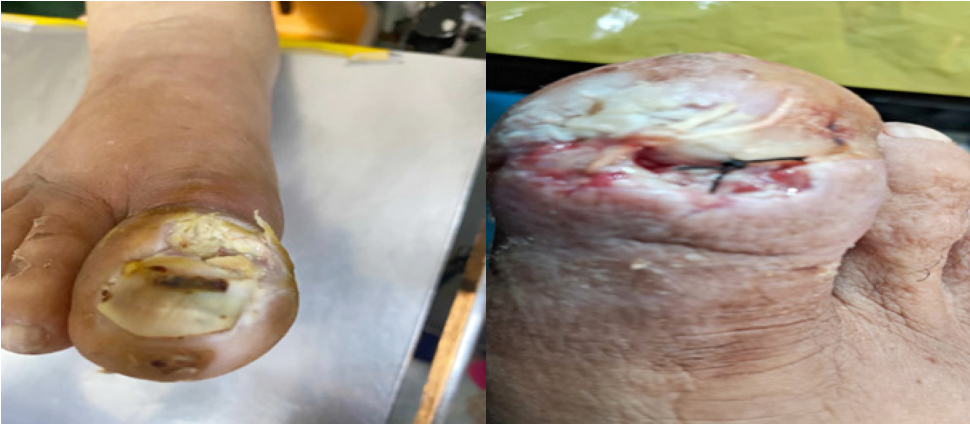
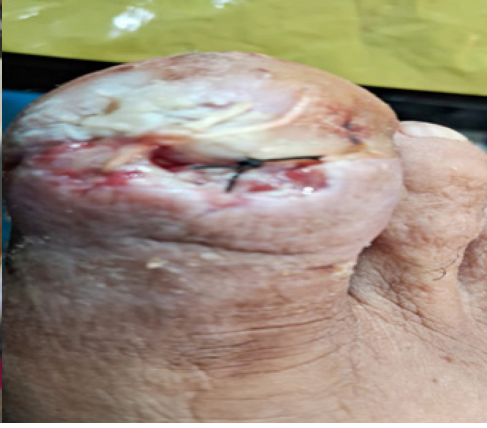
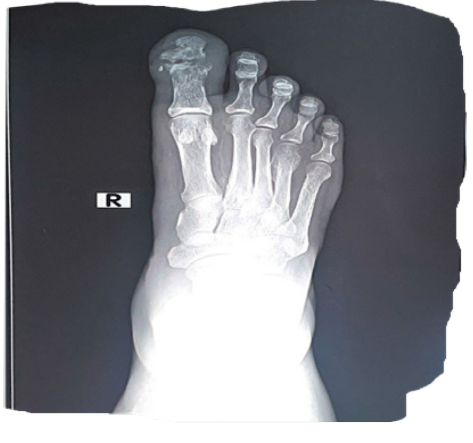
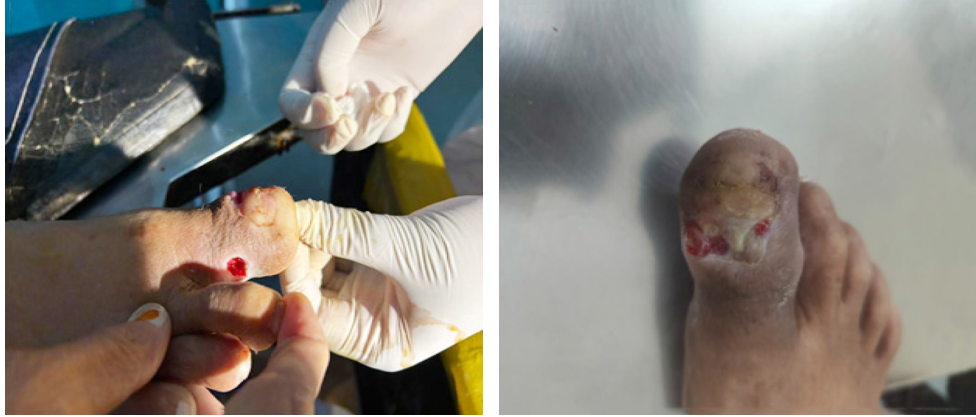
Introduction: Maharshi Sushruta is known for his pioneering operations, techniques and for his influential treatise 'Sushruta Samhita'. Sushruta Samhita is the main source of knowledge for uplifting surgical branch. Maharshi Sushruta contributed Shashti Upkrama for management of Vrana. Besides trauma involving general surgery, Sushruta gave an in-depth account of the treatment of 12 varieties of fracture and six types of dislocation. This continues to amaze todays orthopedicians. Case Report: A 65 yrs old male patient having H/O – Traumatic injury to rt foot on 28 Oct due to slippage in drainage system, he was diagnosed with Displaced toe fracture (Distal phalanx) with avulsion of rt toe nail. Conclusion: With the help of Maharshi Sushruta’s principle this case study aims to report the successful management of Asthibhagna with fruitful result.
References
- 1. Acharya Sushruta, Sushruta Samhita, Volume I, Nibandha Sangraha Commenatry by Dr. Kewal Krushna Thakral, Chaukhamba Orientalia, Varanasi, First Edition 2014, Sutrasthan 21.
- 2. Acharya Sushruta, Sushruta Samhita, Volume I, Nibandha Sangraha Commenatry by Dr. Kewal Krushna Thakral, Chaukhamba Orientalia, Varanasi, First Edition 2014, Nidansthan 15 Page No.871-879.
- 3. Acharya Sushruta, Sushruta Samhita, Volume II, Nibandha Sangraha Commenatry by Dr. Kewal Krushna Thakral, Chaukhamba Orientalia, Varanasi, First Edition 2014, Chikitsasthana 1/28 Page No.169.
- 4. Essential Orthopaedics by J. Maheshwari Fourth Edition 2014.
- 5. SRB by Sriram Bhat M Fifth Edition 2017.
- 6. Case study of Left Humerus fracture with Its Management through Ayurvedic and Modern Aspects by Dr. Snehal Patil in Rasamruta e-journal sept 2019.
Data Sharing Statement
There are no additional data available.
Funding
This research received no funding.
Author Contributions
All authors contributed significantly to the work and approve its publication.
Ethics Declaration
This article does not involve any human or animal subjects, and therefore does not require ethics approval.
Acknowledgements
Information not provide.
Conflicts of Interest
The authors report no conflicts of interest in this work.
About this article

Cite this article
Patil SS, Pachangane PA. A Case Study: Ayurvedic Bhagna Chikitsa in Traumatic Fracture. Indian J Ancient Med Yoga. 2024;17(3):143-147.
Licence:
Attribution-Non-commercial 4.0 International (CC BY-NC 4.0)This license enables reusers to distribute, remix, adapt, and build upon the material in any medium or format for noncommercial purposes only, and only so long as attribution is given to the creator.
| Received | Accepted | Published |
|---|---|---|
| February 26, 2024 | March 20, 2024 | September 08, 2024 |
DOI: https://doi.org/10.21088/ijamy.0974.6986.17324.4
Keywords
AsthibhagnaTraumatic FractureAyurvedic ManagementSearch for Similar Articles
Similar Articles
- Efficacy of Katupila Ghrita in the Management of Itartha dagdha Vrana (Burn Woun...
- Clinical Outcomes of Ayurvedic Management in Acute Influenza Like Illness: A Cas...
- Effect of Ayurvedic Drugs on Scalp Psoriasis (Kitibha Kustha)
- Yogic Elements in the Brahma Mahapurana: A Textual and Comparative Study
- Management of Adenoid Hypertrophy: An Ayurvedic Perspective
Article Level Metrics
Last UpdatedTuesday 15 September 2026, 12:57:39 (IST)
4097
Accesses
12
833
00
Citations
NA
NA
NA
Download citation
Article Keywords
Keyword Highlighting
Highlight selected keywords in the article text.
Timeline
| Received | February 26, 2024 |
| Accepted | March 20, 2024 |
| Published | September 08, 2024 |
licence
Attribution-Non-commercial 4.0 International (CC BY-NC 4.0)
This license enables reusers to distribute, remix, adapt, and build upon the material in any medium or format for noncommercial purposes only, and only so long as attribution is given to the creator.