Full Text (PDF)
Physiotherapy and Occupational Therapy Journal 19(3):p 221-229, July - Sep 2026. | DOI: https://doi.org/10.21088/potj.0974.5777.19326.8
Review Article
The Gut-Brain Axis, Central Sensitization, and Visceral Mobilization: Implications for Physiotherapists in Clinical Practice
Bid Dibyendunarayan Dhrubaprasad
Author Information
Licence:
Attribution-Non-commercial 4.0 International (CC BY-NC 4.0)This license enables reusers to distribute, remix, adapt, and build upon the material in any medium or format for noncommercial purposes only, and only so long as attribution is given to the creator.
Physiotherapy and Occupational Therapy Journal 19(3):p 221-229, July - Sep 2026. | DOI: https://doi.org/10.21088/potj.0974.5777.19326.8
How Cite This Article:
Bid Dibyendunarayan Dhrubaprasad. The Gut-Brain Axis, Central Sensitization, and Visceral Mobilization: Implications for Physiotherapists in Clinical Practice. Therapy Jr. 2026; 19(2): 221-229.Timeline
Received : December 24, 2025
Accepted : January 27, 2026
Published : September 30, 2026
Abstract
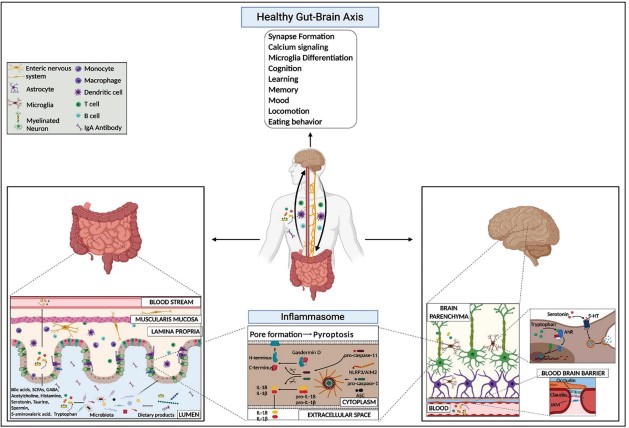
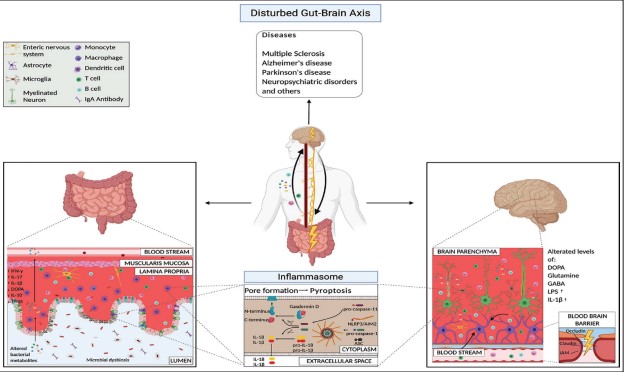
Background: The gut-brain axis (GBA) is a bidirectional communication network between the central nervous system (CNS) and enteric nervous system that influences digestion, emotion, cognition, and pain perception through neural, hormonal, immune, and microbial pathways. Central sensitization (CS), characterized by amplified CNS nociceptive signaling, intersects with GBA dysregulation, exacerbating chronic pain conditions such as irritable bowel syndrome (IBS) and fibromyalgia. Visceral mobilization (VM), a manual therapy that restores organ mobility, can modulate these pathways. Objective: This narrative review synthesizes recent literature on GBA mechanisms, central sensitization pathophysiology, and the therapeutic potential of visceral mobilization in chronic pain management. Key Findings: This review explores the GBA mechanisms, including microbiotaderived metabolites, such as short-chain fatty acids, which reduce inflammation and support neuroprotection. The pathophysiology of CS involves N-methyl-Daspartate receptor (NMDA) receptor activation, glial inflammation, and neural plasticity, with significant interplay with GBA. Dysbiosis heightens visceral hypersensitivity via cytokine signaling and hypothalamic-pituitary-adrenal (HPA) axis disruption. Evidence for VM is mixed but promising, showing benefits in low back pain and IBS by improving motility and autonomic tone, and potentially alleviating CS through reduced afferent input. Clinical Implications: The Physiotherapists should integrate VM with exercise and dietary education to address comorbid gut pain disorders holistically. Understanding this nexus empowers clinicians to refine their assessments and interventions, thereby enhancing the outcomes of chronic visceral pain management. Conclusion: Further randomized trials are required to validate these findings and establish evidence-based protocols for visceral mobilization in physiotherapy.
References
- 1. Appleton J. The gut-brain axis: influence of microbiota on mood and mental health. Integrative Medicine: A Clinician’s Journal. 2018; 17(4): 28.
- 2. Curatolo M. Central sensitization and pain: pathophysiologic and clinical insights. Current neuropharmacology. 2024; 22(1): 15-22.
- 3. da Silva F.C., Vieira L.S., Santos L.V., Gaudreault N., Cruvinel-Júnior R.H., Santos G.M. Effectiveness of visceral fascial therapy targeting visceral dysfunctions outcome: systematic review of randomized controlled trials. BMC complementary medicine and therapies. 2023; 23(1): 274.
- 4. Yarandi SS, Peterson D.A., Treisman G.J., Moran T.H., Pasricha P.J. Modulatory effects of gut microbiota on the central nervous system: how gut could play a role in neuropsychiatric health and diseases. J Neurogastroenterol Motil. 2016; 22(2): 201.
- 5. Loh J.S., Mak W.Q., Tan L.K.S., Ng C.X., Chan H.H., Yeow S.H., et al. Microbiota–gut– brain axis and its therapeutic applications in neurodegenerative diseases. Signal transduction and targeted therapy. 2024; 9(1): 37.
- 6. Rutsch A., Kantsjö J.B., Ronchi F. The gut-brain axis: How microbiota and host inflammasome influence brain physiology and pathology. Frontiers in immunology. 2020; 11: 604179.
- 7. Carabotti M., Scirocco A., Maselli M.A., Severi C. The gut-brain axis: interactions between enteric microbiota, central and enteric nervous systems. Annals of gastroenterology: quarterly publication of the Hellenic Society of Gastroenterology. 2015; 28(2): 203.
- 8. Ashique S., Mohanto S., Ahmed M.G., Mishra N., Garg A., Chellappan D.K., et al. Gutbrain axis: A cutting-edge approach to target neurological disorders and potential synbiotic application. Heliyon. 2024; 10(13).
- 9. Ho T., Elma Ö., Kocanda L., Brain K., Lam T., Kanhere T, et al. The brain-gut axis and chronic pain: mechanisms and therapeutic opportunities. Frontiers in neuroscience. 2025; 19: 1545997.
- 10. Latremoliere A., Woolf CJJTjop. Central sensitization: a generator of pain hypersensitivity by central neural plasticity. 2009; 10(9): 895-926.
- 11. Mohabbat A.B., Wilkinson J.M. Central Sensitization: When It Is Not “All in Your Head”. American family physician. 2023; 107(1): 92-6.
- 12. van Griensven H, Schmid A, Trendafilova T, Low M. Central sensitization in musculoskeletal pain: lost in translation? journal of orthopaedic & sports physical therapy. 2020; 50(11): 592-6.
- 13. Velasco E., Flores-Cortes M., Guerra-Armas J., Flix-Díez L., Gurdiel-Álvarez F., DonadoBermejo A, et al. Is chronic pain caused by central sensitization? A review and critical point of view. Neuroscience & Biobehavioral Reviews. 2024; 167: 105886.
- 14. Volcheck M.M., Graham S.M., Fleming K.C., Mohabbat A.B., Luedtke C.A. Central sensitization, chronic pain, and other symptoms: Better understanding, better management. Cleveland Clinic journal of medicine. 2023; 90(4): 245-54.
- 15. Lu S., Zhao Q., Guan Y., Sun Z., Li W., Guo S., et al. The communication mechanism of the gutbrain axis and its effect on central nervous system diseases: A systematic review. Biomedicine & Pharmacotherapy. 2024; 178: 117207.
- 16. Doroszkiewicz J., Groblewska M., Mroczko B. The role of gut microbiota and gut–brain interplay in selected diseases of the central nervous system. International journal of molecular sciences. 2021; 22(18): 10028.
- 17. Kennedy P.J., Murphy A.B., Cryan J.F., Ross P.R., Dinan T.G., Stanton C. Microbiome in brain function and mental health. Trends in Food Science & Technology. 2016; 57: 289-301.
- 18. Switters J.M., Podar S., Perraton L., Machotka Z. Is visceral manipulation beneficial for patients with low back pain? A systematic review of the literature. International Journal of Osteopathic Medicine. 2019; 33: 16-23.
- 19. Lotfi C., Blair J., Jumrukovska A., Grubb M., Glidden E., Toldi J., et al. Effectiveness of osteopathic manipulative treatment in treating symptoms of irritable bowel syndrome: a literature review. Cureus. 2023; 15(7).
- 20. Attali T.V., Bouchoucha M., Benamouzig R. Treatment of refractory irritable bowel syndrome with visceral osteopathy: short-term and longterm results of a randomized trial. Journal of digestive diseases. 2013; 14(12): 654-61.
- 21. Ceballos-Laita L., Ernst E., Carrasco-Uribarren A., Esteban-Tarcaya G., Mamud-Meroni L., Jiménez-del-Barrio S. Is visceral osteopathy therapy effective? A systematic review and meta-analysis. International Journal of Osteopathic Medicine. 2024; 54: 100729.
- 22. Agustí A., García-Pardo M.P., López-Almela I., Campillo I., Maes M., Romaní-Pérez M., et al. Interplay between the gut-brain axis, obesity and cognitive function. Frontiers in neuroscience. 2018; 12: 329519.
Data Sharing Statement
There are no additional data available. All raw data and code are available upon request.
Funding
This research received no funding.
Author Contributions
All authors contributed significantly to the work and approve its publication.
Ethics Declaration
This article does not involve any human or animal subjects, and therefore does not require ethics approval.
Acknowledgements
We would like to express our gratitude to the patients, their families, and all those who have contributed to this study.
Conflicts of Interest
No conflicts of interest in this work.
About this article

Cite this article
Bid Dibyendunarayan Dhrubaprasad. The Gut-Brain Axis, Central Sensitization, and Visceral Mobilization: Implications for Physiotherapists in Clinical Practice. Therapy Jr. 2026; 19(2): 221-229.
Licence:
Attribution-Non-commercial 4.0 International (CC BY-NC 4.0)This license enables reusers to distribute, remix, adapt, and build upon the material in any medium or format for noncommercial purposes only, and only so long as attribution is given to the creator.
| Received | Accepted | Published |
|---|---|---|
| December 24, 2025 | January 27, 2026 | September 30, 2026 |
DOI: https://doi.org/10.21088/potj.0974.5777.19326.8
Keywords
Gut-Brain AxisCentral SensitizationVisceral MobilizationPhysiotherapy PracticeChronic PainSearch for Similar Articles
Similar Articles
- Leadership in Physiotherapy: A Narrative Review
- Effectiveness of Low Level Laser Theapy in the Management of Temporomandibular J...
- The Impact of Air Pollution on Cardiopulmonary Health: Molecular Mechanisms, Pre...
- Efectiveness of Physiotherapy in Postpartum Women with Diastasis Recti: A Review
- Pain Neuroscience Education: Transforming Physiotherapy Practice
Article Level Metrics
Last UpdatedFriday 23 October 2026, 11:42:45 (IST)
4351
Accesses
29
739
00
Citations
NA
NA
NA
Download citation
Article Keywords
Keyword Highlighting
Highlight selected keywords in the article text.
Timeline
| Received | December 24, 2025 |
| Accepted | January 27, 2026 |
| Published | September 30, 2026 |
licence
Attribution-Non-commercial 4.0 International (CC BY-NC 4.0)
This license enables reusers to distribute, remix, adapt, and build upon the material in any medium or format for noncommercial purposes only, and only so long as attribution is given to the creator.