Full Text (PDF)
New Indian Journal of Surgery 17(3):p 93-101, July - Sept. 2026. | DOI: 10.21088/nijs.0976.4747.17326.1
Original Article
Role of Combination of Autologous Platelet-Rich Plasma and Other Modalities of Adjuvant Therapy in Wound Bed Preparation in Diabetic Foot Ulcer
Ravi Kumar Chittoria, Karthikeyan null, Aayushree Bhagat
Author Information
Licence:
Attribution-Non-commercial 4.0 International (CC BY-NC 4.0)This license enables reusers to distribute, remix, adapt, and build upon the material in any medium or format for noncommercial purposes only, and only so long as attribution is given to the creator.
New Indian Journal of Surgery 17(3):p 93-101, July - Sept. 2026. | DOI: 10.21088/nijs.0976.4747.17326.1
How Cite This Article:
Karthikeyan, Aayushree Bhagat, Ravi Kumar Chittoria. Role of Combination of Autologous Platelet Rich Plasma and Other Modalities of Adjuvant Therapy in Wound Bed Preparation in Diabetic Foot Ulcer. New Indian J Surg. 2026; 17(3): 93-101.Timeline
Received : May 20, 2026
Accepted : June 21, 2026
Published : September 30, 2026
Abstract
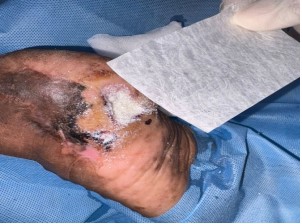
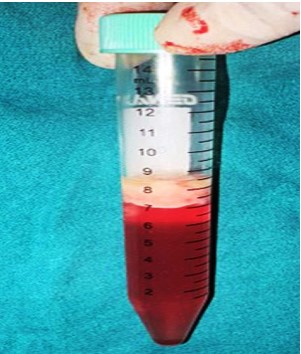
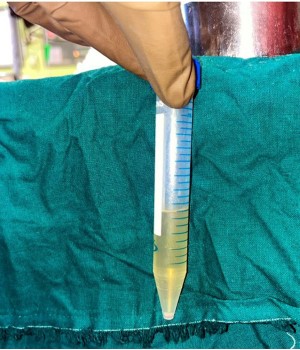
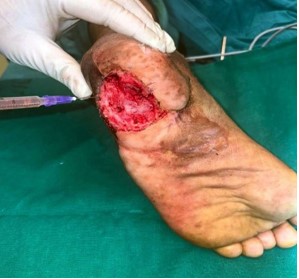
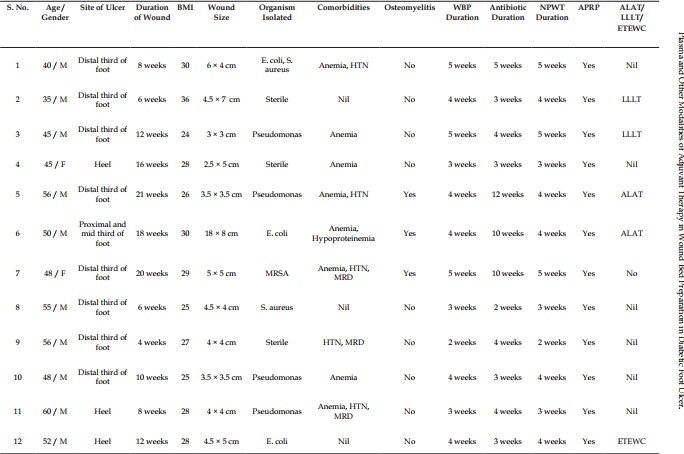
Diabetic foot ulcer is one of the common conditions faced by surgeons. A multidisciplinary team approach is mandatory for successful treatment of the condition. Its complexity is mainly due to the involvement of multiple organs and systems. Hence the condition is often found to be difficult to manage. The general concept is that appropriate and timely healing of the wound can prevent various wound-related complications like gangrene, auto amputations, septicemia, multiorgan failure, disfigurement, deformities etc. Adjuvant therapy not only increases wound healing but also can reduce the requirement of graft/flap by reducing the size of the defect and prevent the incidence of various complications like gangrene, amputation. Through this article we present use of Autologous Platelet Rich Plasma (APRP) therapy combined with other modalities of therapy like external tissue expansion and wound closure (ETEWC) technique using hooks and rubber bands as an effective tool to enhance healing in wound bed preparation of diabetic foot.
References
- 1. Singh N., Armstrong D.G., Lipsky B.A. Preventing foot ulcers in patients with diabetes. JAMA 2005; 293: 217-228.
- 2. Wild S., Roglic G., Green A., Sicree R., King H. Global prevalence of diabetes: Estimates for the year 2000 and projections for 2030. Diabetes Care 2004; 27: 1047-53.
- 3. Sicree R., Shaw J., Zimmet P. Diabetes and impaired glucose tolerance. In: Gan D, editor. Diabetes Atlas. International Diabetes Federation. 3rd ed. Belgium: International Diabetes Federation; 2006; p. 15-103.
- 4. Assal J., et al. Patient education in diabetes. In: Recent Trends in Diabetic Research, Stockholm: Almqvist and Wiksell International 1982; 276- 89.
- 5. Thomson F.J., et al. A team approach to diabetic foot care: the Manchester experience. Foot 1991; 1: 75-82.
- 6. Boulton A.J.M. The diabetic foot: from art to science? the 18th Camillo Golgi lecture. Diabetologia 2004; 47: 1343-1353.
- 7. Zargar A.H., Wani A.I., Masoodi S.R., Laway BA, Bashir MI. Mortality in diabetes mellitus - data from a developing region of the world. Diabetes Res Clin Pract 1999; 43: 67-74.
- 8. Mohan V., Deepa R., Rani S.S., Premalatha G.; Chennai Urban Population Study (CUPS No. 5). Prevalence of coronary artery disease and its relationship to lipids in a selected population in South India: The Chennai Urban Population Study (CUPS No. 5). J Am Coll Cardiol 2001; 38: 682.
- 9. Mohan V., Gokulakrishnan K., Sandeep S., Srivastava B.K., Ravikumar R., Deepa R. Intimal media thickness, glucose intolerance and metabolic syndrome in Asian Indians - the Chennai Urban Rural Epidemiology Study (CURES-22). Diabet Med 2006; 23: 845-50.
- 10. Premalatha G., Shanthirani S., Deepa R., Markovitz J., Mohan V. Prevalence and risk factors of peripheral vascular disease in a selected South Indian population: the Chennai Urban Population Study. Diabetes Care 2000; 23: 1295-300.
- 11. Melton L.J., Macken K.M., Palumbo P.J., Elveback L.R. Incidence and prevalence of clinical peripheral vascular disease in a population-based cohort of diabetic patients. Diabetes Care 1980; 3: 650-4.
- 12. Mohan V., Deepa R., Deepa M., Somannavar S., Datta M. A simplified Indian Diabetes Risk Score for screening for undiagnosed diabetic subjects. J Assoc Physicians India 2005; 53: 759- 63.
- 13. International Working Group on the Diabetic Foot. International consensus on the diabetic foot and practical guidelines on the management and the prevention of the diabetic foot. Amsterdam, the Netherlands, 2011.
- 14. Wagner F.W. Jr. The dysvascular foot: A system for diagnosis and treatment. Foot Ankle 1981; 2:64-122.
- 15. Bates-Jensen B.M. The Pressure Sore Status Tool: a few thousand assessments later. Advances in Wound Care 1997; 10(5): 65-73.
- 16. Chittoria R.K., Kumar P., Bajaj S.P., Singh A.K., Gupta D.K. General clinical guidelines for wound management: redefining acronym SWCR. Journal of SWCR 2014; 7(1): 2-7.
- 17. Luedtke-Hoffmann K.A., Schafer D.S. Pulsed lavage in wound cleansing. Phys Ther 2000; 80(3): 292-300.
- 18. Sibbald et al. Screening evaluation of an ionized nanocrystalline silver dressing in chronic wound care. Ostomy Wound Management 2001; 47: 38-43.
- 19. Kumar P. Skin Substitutes. In: Fundamentals of Burns Management. 2nd edition, Paras Medical Publisher, New Delhi, India 2009; 165- 168.
- 20. Diogo F. et al. Protocol for Obtaining PlateletRich Plasma (PRP), Platelet-Poor Plasma (PPP), and Thrombin for Autologous Use. Aesthetic Plastic Surgery 2012; 36(5): 1254-1259.
- 21. Franco D., Franco T. Protocol for obtaining PRP for autologous use. Aesthetic Plast Surg 2012; 36: 1254-9.
- 22. Li W., Enomoto M., Ukegawa M. et al. Subcutaneous Injections of Platelet-Rich Plasma. Plast Reconstr Surg 2012; 129: 858-6.101 NIJS/Volume 17 Number 3 /July-September 2026
- 23. Thorne C.H. Techniques and principles in plastic surgery. In: Grabb and Smith’s Plastic surgery. 7th edition. Edited by Thorne CH. New York: Lippincott Williams and Wilkins; 2014; 1-12.
- 24. Andia I, Sanchez M, Maffulli N. “joint pathology and platelet-rich plasma therapies”. Expert Opinion in Biological Therapies 2012; 12(1): 7–22.
- 25. Khatu, Swapna S; More, Yuvraj E; Gokhale, Neeta R; Chavhan, Dipali C; Bendsure, Nitin. “Platelet-Rich Plasma in Androgenic Alopecia: Myth or an Effective Tool”. Journal of Cutaneous and Aesthetic Surgery 2014; 7(2): 107-110.
- 26. Esposito M. “Effectiveness of sinus lift procedures for dental implant rehabilitation: a Cochrane systematic review.” Eur J Oral Implantol. 2010 Spring; 3(1): 7-26.
- 27. Mishra A., Woodall J., Vieira A. “Treatment of tendon and muscle using platelet-rich plasma”. Clinics in Sports Medicine 2009; 28(1): 113-25.
- 28. Rigotti G. et al. Clinical treatment of radiotherapy tissue damage by lipoaspirate transplant: a healing process mediated by adipose-derived adult stem cells. Plast Reconstr Surg 2007; 119(5): 1409-22.
- 29. Evangelos V et al. Treatment of chronic wounds with bone marrow-derived cells. Arch Dermatol 2003; 139: 510-516.
- 30. Vijayaraghavan V, Chittoria R.K., Mohapatra D.P., Friji M.T., Dinesh K.S., Arjun A. External tissue expansion for difficult wounds using a simple cost effective technique. Journal of Cutaneous and Aesthetic Surgery 2015; 8(1): 50-53
Data Sharing Statement
There are no additional data available. All raw data and code are available upon request.
Funding
This research received no funding.
Author Contributions
All authors contributed significantly to the work and approve its publication.
Ethics Declaration
This article does not involve any human or animal subjects, and therefore does not require ethics approval.
Acknowledgements
We would like to express our gratitude to the patients, their families, and all those who have contributed to this study.
Conflicts of Interest
No conflicts of interest in this work.
About this article

Cite this article
Karthikeyan, Aayushree Bhagat, Ravi Kumar Chittoria. Role of Combination of Autologous Platelet Rich Plasma and Other Modalities of Adjuvant Therapy in Wound Bed Preparation in Diabetic Foot Ulcer. New Indian J Surg. 2026; 17(3): 93-101.
Licence:
Attribution-Non-commercial 4.0 International (CC BY-NC 4.0)This license enables reusers to distribute, remix, adapt, and build upon the material in any medium or format for noncommercial purposes only, and only so long as attribution is given to the creator.
| Received | Accepted | Published |
|---|---|---|
| May 20, 2026 | June 21, 2026 | September 30, 2026 |
DOI: 10.21088/nijs.0976.4747.17326.1
Keywords
Autologous Platelet rich plasmaWound bed preparationDiabetic foot ulcerSearch for Similar Articles
Similar Articles
- Laparoscopic Repair of Large Recurrent Bochdalek Hernia: Case Report with Review...
- A Retrospective Evaluation of Superior Efficacy in Irrigation and Flushing of Sa...
- Implementation of Enhanced Recovery After Surgery (ERAS) Protocols in Elective C...
- Accuracy of TIRADS Classification in the Risk Stratification of Thyroid Swelling...
- Case Series Analysis of Medical Expulsive Therapy in Ureteric Calculi
Article Level Metrics
Last UpdatedFriday 23 October 2026, 09:48:10 (IST)
7478
Accesses
28
788
00
Citations
NA
NA
NA
Download citation
Article Keywords
Keyword Highlighting
Highlight selected keywords in the article text.
Timeline
| Received | May 20, 2026 |
| Accepted | June 21, 2026 |
| Published | September 30, 2026 |
licence
Attribution-Non-commercial 4.0 International (CC BY-NC 4.0)
This license enables reusers to distribute, remix, adapt, and build upon the material in any medium or format for noncommercial purposes only, and only so long as attribution is given to the creator.