Full Text (PDF)
Indian Journal of Research in Anthropology 11(2):p 155-163, July - Dec 2025. | DOI: /10.21088/ijra.2454.9118.11225.8
Original Article
Prenatal and Postnatal Health-Seeking Behaviour among the Muria Tribe of Bastar Region in Chhattisgarh, India
Pooja Pratiksha Swain, Swapan Kumar Kolay
Author Information
Licence:
Attribution-Non-commercial 4.0 International (CC BY-NC 4.0)This license enables reusers to distribute, remix, adapt, and build upon the material in any medium or format for noncommercial purposes only, and only so long as attribution is given to the creator.
Indian Journal of Research in Anthropology 11(2):p 155-163, July - Dec 2025. | DOI: /10.21088/ijra.2454.9118.11225.8
How Cite This Article:
Swain PP, Kolay SK. Prenatal and postnatal health-seeking behaviour among the Muria tribe of Bastar region in Chhattisgarh, India. Ind J Res Anthropol. 2025;11(2):155-63.Timeline
Received : July 11, 2025
Accepted : September 27, 2025
Published : December 30, 2025
Abstract
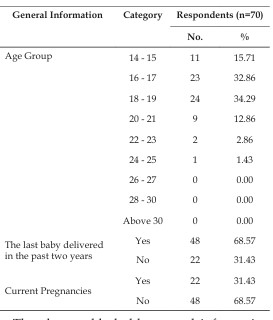
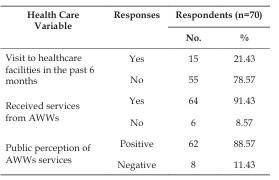
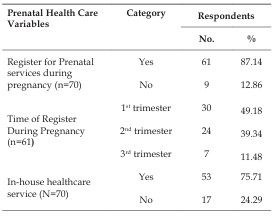
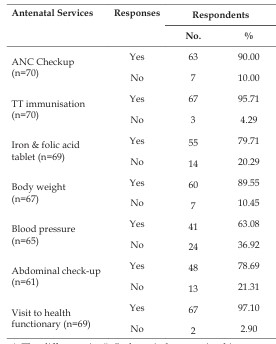
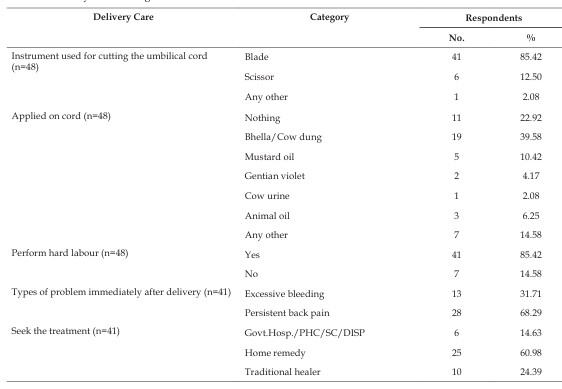
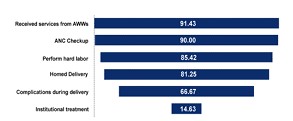
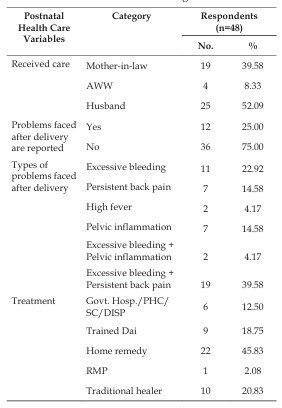
Maternal health-seeking behaviour is influenced by cultural beliefs, healthcare accessibility, and traditional norms, particularly among tribal communities. This study explores prenatal and postnatal health-seeking behaviour among the Muria women in Gunpur village of Bastar district, Chhattisgarh. It also examines the cultural influences shaping their maternal healthcare choices. Using a mixed-methods approach, data were collected through interviews, focus group discussions, observations, and case studies with a purposive sample of 70 ever-married women, including pregnant and postpartum women (up to two years). The study found that prenatal check-ups were commonly availed, and healthcare functionaries, particularly Anganwadi Workers, played a significant role in maternal care. However, institutional deliveries were notably low, with the majority of births occurring at home, primarily assisted by untrained traditional birth attendants. Cultural beliefs, including the influence of family deities and spirits, played a crucial role in shaping childbirth practices and contributed to the preference for home births. Despite a high prevalence of delivery-related complications, medical intervention was sought in only a few cases, with many women relying on traditional birth attendants and home remedies. Postnatal care remained inadequate, and only a small proportion received assistance from healthcare workers. Common postpartum complications, such as excessive bleeding and persistent back pain, were frequently reported, yet institutional healthcare was rarely sought, with traditional healing practices being the preferred option. The findings underscore the urgent need for enhanced maternal healthcare interventions, a stronger role for trained health functionaries, and greater awareness of the benefits of institutional deliveries and postnatal care in tribal communities
References
No records found.
Data Sharing Statement
There are no additional data available.
Funding
This research received no funding.
Author Contributions
All authors contributed significantly to the work and approve its publication.
Ethics Declaration
This article does not involve any human or animal subjects, and therefore does not require ethics approval
Acknowledgements
Information Not Provided
Conflicts of Interest
No conflicts of interest in this work.
About this article

Cite this article
Swain PP, Kolay SK. Prenatal and postnatal health-seeking behaviour among the Muria tribe of Bastar region in Chhattisgarh, India. Ind J Res Anthropol. 2025;11(2):155-63.
Licence:
Attribution-Non-commercial 4.0 International (CC BY-NC 4.0)This license enables reusers to distribute, remix, adapt, and build upon the material in any medium or format for noncommercial purposes only, and only so long as attribution is given to the creator.
| Received | Accepted | Published |
|---|---|---|
| July 11, 2025 | September 27, 2025 | December 30, 2025 |
DOI: /10.21088/ijra.2454.9118.11225.8
Keywords
Muria TribeMaternal HealthHealth-seeking behaviourPrenatal careDelivery• Postnatal careSearch for Similar Articles
Similar Articles
- Indigenous Knowledge System in Formal Education
- Contemporary Issues and Challenges in Women’s Weavers in the Varanasi Silk Sare...
- Understanding through Traversing the Corridors of History: Richness of Indian He...
- Challenges and Opportunities in Digital Preservation of Intangible Culture Herit...
- Assessment of Nutritional Indicators: A Comparative Study among Pre-School Child...
Article Level Metrics
Last UpdatedWednesday 08 July 2026, 14:29:19 (IST)
807
Accesses
7
223
00
Citations
NA
NA
NA
Download citation
Article Keywords
Keyword Highlighting
Highlight selected keywords in the article text.
Timeline
| Received | July 11, 2025 |
| Accepted | September 27, 2025 |
| Published | December 30, 2025 |
licence
Attribution-Non-commercial 4.0 International (CC BY-NC 4.0)
This license enables reusers to distribute, remix, adapt, and build upon the material in any medium or format for noncommercial purposes only, and only so long as attribution is given to the creator.