Full Text (PDF)
Indian Journal of Research in Anthropology 10(2):p 169-175, July-December 2024. | DOI: http://dx.doi.org/10.21088/ijra.2454.9118.10224.8
Review Article
Jain Temples of Lalitpur: A Window into Socio-culture Heritage of Chantela Period
Shiva Kant Tripathi, Satyam Dubey
Author Information
Licence:
Attribution-Non-commercial 4.0 International (CC BY-NC 4.0)This license enables reusers to distribute, remix, adapt, and build upon the material in any medium or format for noncommercial purposes only, and only so long as attribution is given to the creator.
Indian Journal of Research in Anthropology 10(2):p 169-175, July-December 2024. | DOI: http://dx.doi.org/10.21088/ijra.2454.9118.10224.8
How Cite This Article:
Tripathi SK, Dubey S. Jain temples of Chandela period (located in Chanpur-Jahajpur, Lalitpur). Ind J Res Anthropol. 2024;10(2):169-175.Timeline
Received : May 10, 2024
Accepted : August 17, 2024
Published : December 29, 2024
Abstract
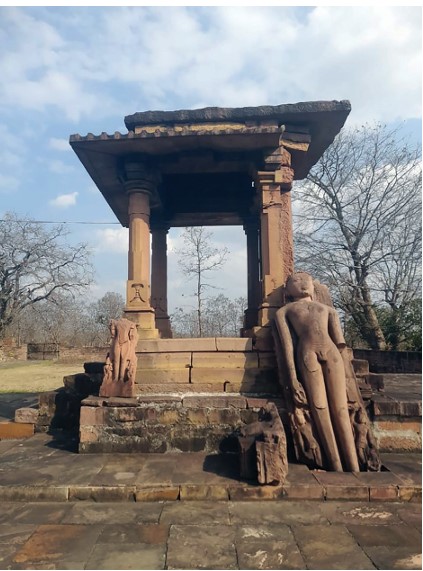
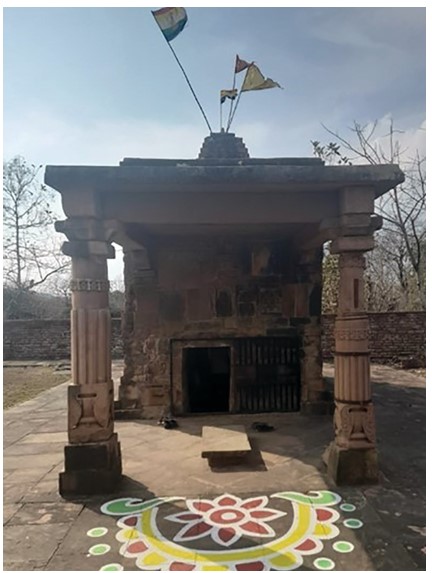
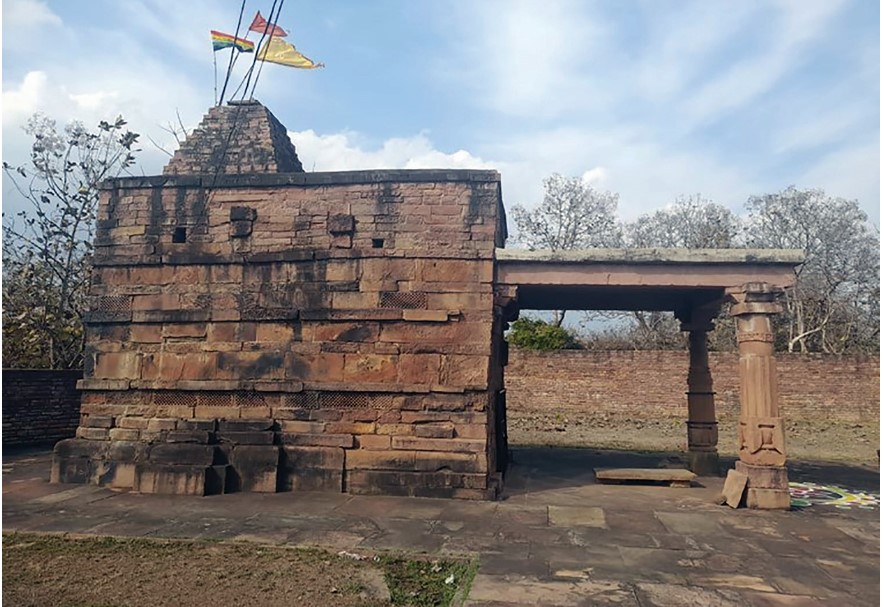
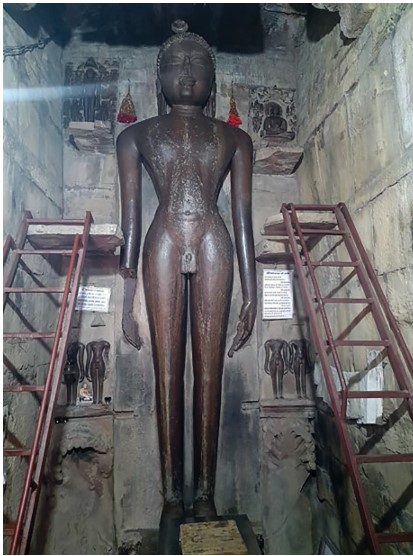
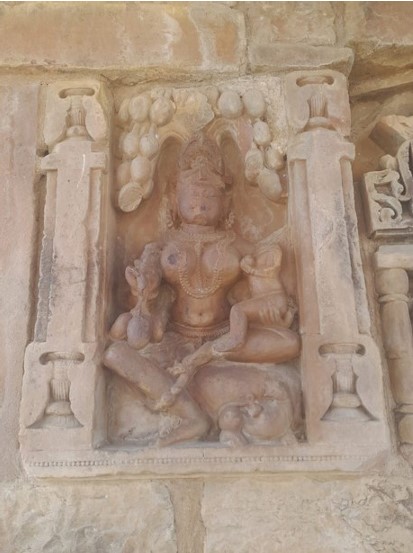
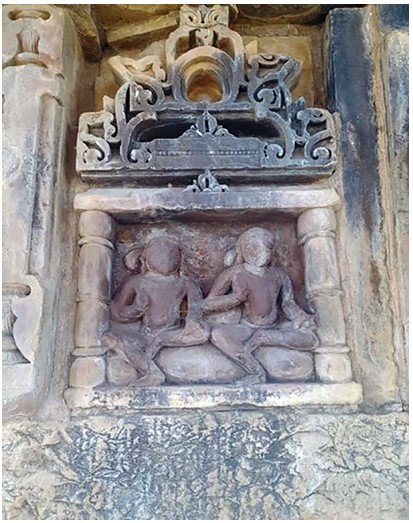
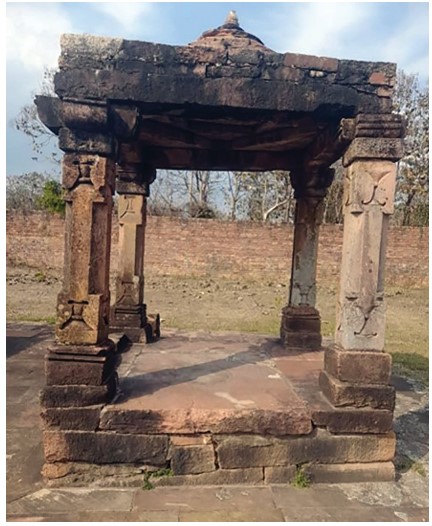
The Jain temples of the Chandela period Located in Chanpur-Jahajpur, Lalitpur represent an exceptional fusion of artistic brilliance, religious devotion, and architectural ingenuity. This abstract delves into the significance and characteristics of these temples, which flourished between the 8th and 12th centuries CE. During this period, Bundelkhand witnessed a flourishing Jain community, evidenced by the construction of numerous temples dedicated to Jain Tirthankaras. These temples, scattered across the region, stand as testaments to the cultural and religious vitality of the era. The architectural style of these temples is characterized by intricate carvings, majestic spires, and elaborate facades. The use of sandstone, a hallmark of Chandela architecture, lends these temples a distinct reddish hue, enhancing their visual allure. Intricately carved sculptures depicting Jain deities, celestial beings, and scenes from Jain mythology adorn the temple exteriors and interiors, reflecting the artisans’ impeccable craftsmanship and devotion. The layout of these temples typically follows a tripartite division comprising a sanctum (garbhagriha), a vestibule (antarala), and a pillared hall (mandapa). The sanctum houses the principal deity, while the mandapa serves as a space for congregational gatherings and religious rituals.Symbolism plays a significant role in Jain temple architecture, with every aspect meticulously designed to convey spiritual teachings and philosophical concepts. From the celestial beings guarding the temple entrances to the lotus motifs symbolizing purity and enlightenment, each element embodies the Jain worldview. Despite centuries of weathering and natural disasters, many of these temples have endured, albeit in varying states of preservation. Efforts by conservationists and archaeologists aim to safeguard these architectural marvels for future generations, recognizing their historical, cultural, and religious significance. In conclusion, the Jain temples of the Chandela period Located in Chanpur Jahajpur, Lalitpur, Bundelkhandstand as enduring legacies of an era marked by artistic splendor and religious fervor. Through their architectural grandeur and spiritual symbolism, these temples continue to inspire awe and reverence, serving as timeless reminders of India’s rich cultural heritage.
References
- 1. Joshi, E.B., District Gazetteer Jhansi, 1965, pp. 333
- 2. Trivedi, S. D.Archaeology of Bundelkhand, pp. 87.
- 3. Cunningham. A., A.S.I. Report, Part 10 pp. 97
- 4. Coomaraswamy, Ananda K, History of Indian and Indonesian Art, pp. 107.
- 5. Same, pp. 96.
- 6. Jain, Balbhadra,Digambar Jain pilgrimages of India, first part: Compilation-Editor, pp. 201.
- 7. Verma, Dr. Mahendra, Art and culture of Chandela period (in the perspective of Chandpur Dudhai), pp. 36.
- 8. Verma,Dr. Mahendra,Bundelkhand Pilgrimage Area Special Issue: Contribution of Chandpur Dudhai in the progress of Jainism, pp. 68.
- 9. Verma,Dr. Mahendra, Art and culture of Chandela period (in the perspective of Chandpur Dudhai, pp. 36.
- 10. Same, pp. 36.
- 11. Verma,Dr. Mahendra, Bundelkhand Pilgrimage Area Special Issue: Contribution of Chandpur Dudhai in the progress of Jainism, pp. 68.
- 12. Same, pp. 69.
- 13. Digambar Jain pilgrimages of India, first part: Compilation-editor, Balbhadra Jain, pp. 201.
Data Sharing Statement
There are no additional data available.
Funding
This research received no funding.
Author Contributions
All authors contributed significantly to the work and approve its publication.
Ethics Declaration
This article does not involve any human or animal subjects, and therefore does not require ethics approval
Acknowledgements
Information Not Provided
Conflicts of Interest
No conflicts of interest in this work.
About this article

Cite this article
Tripathi SK, Dubey S. Jain temples of Chandela period (located in Chanpur-Jahajpur, Lalitpur). Ind J Res Anthropol. 2024;10(2):169-175.
Licence:
Attribution-Non-commercial 4.0 International (CC BY-NC 4.0)This license enables reusers to distribute, remix, adapt, and build upon the material in any medium or format for noncommercial purposes only, and only so long as attribution is given to the creator.
| Received | Accepted | Published |
|---|---|---|
| May 10, 2024 | August 17, 2024 | December 29, 2024 |
DOI: http://dx.doi.org/10.21088/ijra.2454.9118.10224.8
Keywords
Temple ArchitectureJain TemplesGarbhagrihaShikharaAntaralaMaha MandapaMandapaDwarshakha.Search for Similar Articles
Similar Articles
- Indigenous Knowledge System in Formal Education
- Contemporary Issues and Challenges in Women’s Weavers in the Varanasi Silk Sare...
- Understanding through Traversing the Corridors of History: Richness of Indian He...
- Challenges and Opportunities in Digital Preservation of Intangible Culture Herit...
- Assessment of Nutritional Indicators: A Comparative Study among Pre-School Child...
Article Level Metrics
Last UpdatedWednesday 08 July 2026, 14:29:32 (IST)
807
Accesses
1
223
00
Citations
NA
NA
NA
Download citation
Article Keywords
Keyword Highlighting
Highlight selected keywords in the article text.
Timeline
| Received | May 10, 2024 |
| Accepted | August 17, 2024 |
| Published | December 29, 2024 |
licence
Attribution-Non-commercial 4.0 International (CC BY-NC 4.0)
This license enables reusers to distribute, remix, adapt, and build upon the material in any medium or format for noncommercial purposes only, and only so long as attribution is given to the creator.