Full Text (PDF)
Indian Journal of Dental Education 16(1):p 9-14, January-March 2023. | DOI: https://doi.org/10.21088/ijde.0974.6099.16123.1
Original Article
Evaluation of Salivary Cotinine Levels among Adolescents in a Semi Urban Indian Town: A Cross Sectional Study
Uzma Belgaumi, Vrushali Bhadule, Nupura Vibhute, Vidya Kadashetti, Wasim Kamate, Aruna G null
Author Information
Licence:
Attribution-Non-commercial 4.0 International (CC BY-NC 4.0)This license enables reusers to distribute, remix, adapt, and build upon the material in any medium or format for noncommercial purposes only, and only so long as attribution is given to the creator.
Indian Journal of Dental Education 16(1):p 9-14, January-March 2023. | DOI: https://doi.org/10.21088/ijde.0974.6099.16123.1
How Cite This Article:
Bhadule V, Belgaumi U, Vibhute N, et al. Evaluation of salivary cotinine levels among adolescents in a semi urban Indian town: A cross sectional study. Indian J Dent Educ. 2023;16(1):9-14.Timeline
Received : October 04, 2022
Accepted : November 08, 2022
Published : December 30, 2022
Abstract
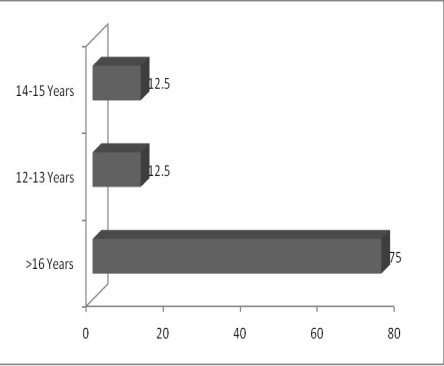
Introduction: Cotinine, a major nicotine metabolite is a specific biomarker for nicotine exposure. Salivary cotinine levels is an easy and effective alternative for screening large groups especially children and adolescents. The present study was aimed at evaluating prevalence of tobacco consumption habits, determine the age of initiation and correlate the findings with their salivary cotinine levels.
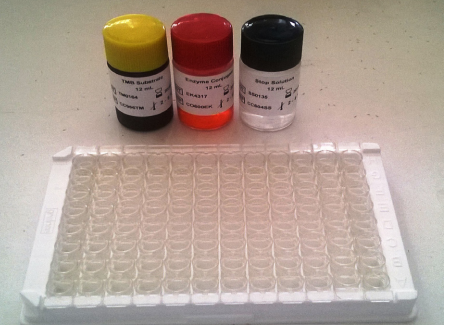
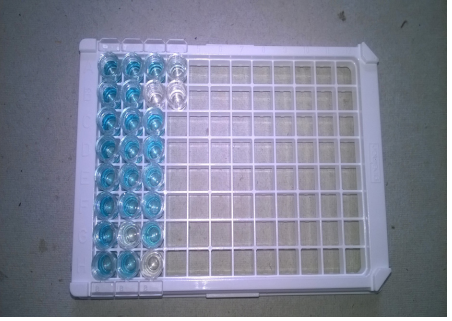
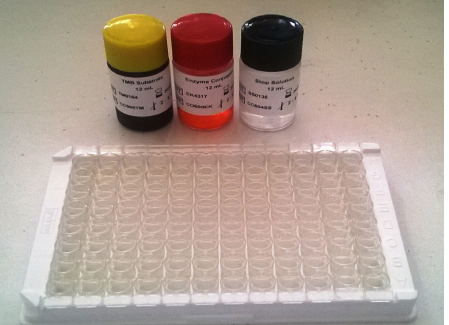
Material and methods: The study was conducted among 95 students from schools in Karad. A validated questionnaire was administered to collect data regarding the awareness and tobacco consumption among the study group. Unstimulated saliva sample (1ml) was also collected on the same appointment and evaluated using Calbiotech salivary cotinine assay (solid phase competitive ELISA test). Cotinine levels of > 10 ng/ml were considered as positive evidence of tobacco use.
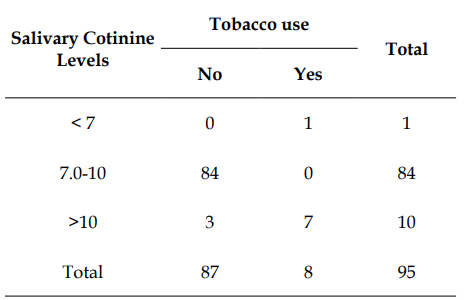
Results: It was found that prevalence of tobacco use was 10.5% in the study group. However, an alarming 88% of these adolescents had cotinine levels between 7-10ng/ml which suggest that this group may have been exposed to passive smoking.
Conclusion: A significant proportion of the study group are active tobacco users however an alarming percentage have a significantly high level of possibly passively inhaled environmental tobacco smoke exposure.
References
- 1. Warren CW, Riley L, Asma S, Eriksen MP, Green L, Blanton C, et al. Tobacco use in youth: a surveillance report from the Global Youth Tobacco Survey Project. Bull World Health Organ. 2000;78:868-876.
- 2. Heishman SJ. Tobacco – the once and future addiction: editorial. Addiction. 2001;96:1389-1390.
- 3. Pojer R, Whitefield JB, Poulos V, Eckhard IF, Richmond R, Hensley WJ. Carboxyhemoglobin, cotinine, and thiocyanate assay compared for distinguishing smokers from nonsmokers. Clin Chem. 1984;30:1377-1380.
- 4. Ford RP, Schluter PJ, Tappin DM. Changes in cotinine levels during pregnancy. Aust N Z J Obstet Gynaecol. 1998;38:50-55.
- 5. Abrams DB, Follick MJ, Biener L, Carey KB, Hitti J. Saliva cotinine as a measure of smoking status in field settings. Am J Public Health. 1987;77:846-848.
- 6. Etzel RA. A review of the use of saliva cotinine as a marker of tobacco smoke exposure. Prev Med. 1990;19:190-197.
- 7. Connor Gorber S, Schofield-Hurwitz S, Hardt J, Levasseur G, Tremblay M. The accuracy of self-reported smoking: a systematic review of the relationship between self-reported and cotinine-assessed smoking status. Nicotine Tob Res. 2009;11:12-24.
- 8. Patrick DL, Cheadle A, Thompson DC, Diehr P, Koepsell T, Kinne S. The validity of self-reported smoking: a review and meta-analysis. Am J Public Health. 1994;84:1086-1093.
- 9. Pojer R, Whitefield JB, Poulos V, Eckhard IF, Richmond R, Hensley WJ. Carboxyhemoglobin, cotinine, and thiocyanate assay compared for distinguishing smokers from nonsmokers. Clin Chem. 1984;30:1377-1380.
- 10. Jarvis MJ, Russell MAH, Saloojee Y. Expired air carbon monoxide: A simple test of tobacco smoke intake. Br Med J. 1980;281:484-485.
- 11. SRNT Subcommittee on Biochemical Verification. Biochemical verification of tobacco use and cessation. Nicotine Tob Res. 2002;4:149-159.
- 12. Ford RP, Schluter PJ, Tappin DM. Changes in cotinine levels during pregnancy. Aust N Z J Obstet Gynaecol. 1998;38:50-55.
- 13. Abrams DB, Follick MJ, Biener L, Carey KB, Hitti J. Saliva cotinine as a measure of smoking status in field settings. Am J Public Health. 1987;77:846-848.
- 14. Connor Gorber S, Schofield-Hurwitz S, Hardt J, Levasseur G, Tremblay M. The accuracy of self-reported smoking: a systematic review of the relationship between self-reported and cotinine-assessed smoking status. Nicotine Tob Res. 2009;11:12-24.
- 15. Dhavan P, Bassi S, Stigler MH, Perry CL, Arora M, Reddy KS. Using salivary cotinine to validate self-reports of tobacco use by Indian youth living in low-income neighborhoods. Asian Pac J Cancer Prev. 2011;12:2551-2554.
- 16. Ab Manan N, Nawi AM, Ahmad N, Hassan MR. Self-reported smoking among adolescents: How accurate is it with the urine cotinine strip test? Int J Pediatr Adolesc Med. 2020;7(2):78-82.
- 17. Kim S. Overview of Cotinine Cutoff Values for Smoking Status Classification. Int J Environ Res Public Health. 2016;13(12):1236.
- 18. Jarvis MJ, Fidler J, Mindell J, Feyerabend C, West R. Assessing smoking status in children, adolescents and adults: Cotinine cut-points revisited. Addiction. 2008;103:1553-1561.
- 19. Lee K, Yoon T, Yang HS, Cha S, Cheon YP, Kashefi-Kheyrabadi L, et al. All-in-one platform for salivary cotinine detection integrated with a microfluidic channel and an electrochemical biosensor. Lab Chip. 2020;20(2):320-331.
- 20. Lidón-Moyano C, Fu M, Pérez-Ortuño R, Ballbè M, Garcia E, Martín-Sánchez JC, et al. Third-hand exposure at homes: Assessment using salivary cotinine. Environ Res. 2020;191:110393.
Data Sharing Statement
There are no additional data available. All raw data and code are available upon request.
Funding
This research received no funding.
Author Contributions
Whether all authors contributed significantly to the work and approve its publication.
Ethics Declaration
This article does not involve any human or animal subjects, and therefore does not require ethics approval.
Acknowledgements
We would like to express our gratitude to the patients, their families, and all those who have contributed to this study.
Conflicts of Interest
The authors report no conflicts of interest in this work.
About this article

Cite this article
Bhadule V, Belgaumi U, Vibhute N, et al. Evaluation of salivary cotinine levels among adolescents in a semi urban Indian town: A cross sectional study. Indian J Dent Educ. 2023;16(1):9-14.
Licence:
Attribution-Non-commercial 4.0 International (CC BY-NC 4.0)This license enables reusers to distribute, remix, adapt, and build upon the material in any medium or format for noncommercial purposes only, and only so long as attribution is given to the creator.
| Received | Accepted | Published |
|---|---|---|
| October 04, 2022 | November 08, 2022 | December 30, 2022 |
DOI: https://doi.org/10.21088/ijde.0974.6099.16123.1
Keywords
SalivaCotinineTobaccoAdolescentsSearch for Similar Articles
Similar Articles
- One Step Apexification using PRF as Matrix and MTA Apical Barrier
- Infective Ulcers in the Oral Cavity: A Review
- Effect of COVID-19 Lockdown on Patients Undergoing Orthodontic Therapy in Distri...
- Wire Splinting: An Effective Management Approach for Lateral Luxation: A Clinica...
- Prosthodontics in Healthy Ageing and Longevity Medicine: A Critical Narrative R...
Article Level Metrics
Last UpdatedMonday 19 October 2026, 19:52:15 (IST)
3456
Accesses
22
611
00
Citations
NA
NA
NA
Download citation
Article Keywords
Keyword Highlighting
Highlight selected keywords in the article text.
Timeline
| Received | October 04, 2022 |
| Accepted | November 08, 2022 |
| Published | December 30, 2022 |
licence
Attribution-Non-commercial 4.0 International (CC BY-NC 4.0)
This license enables reusers to distribute, remix, adapt, and build upon the material in any medium or format for noncommercial purposes only, and only so long as attribution is given to the creator.