Full Text (PDF)
International Journal of Neurology and Neurosurgery 17(2):p 59-69, May-August 2025. | DOI: 10.21088/ijnns.0975.0223.17225.1
Original Article
Efficacy and Safety of Seraseal as a Hemostatic and Dural Sealing Agent in Trauma & Emergency Surgery: A Prospective Post-Marketing Observational Study
Ajaypal Randhawa, Avinash Melkote, Priyanka D S, Saveen Kumar S, Baburao Vikram
Author Information
Licence:
Attribution-Non-commercial 4.0 International (CC BY-NC 4.0)This license enables reusers to distribute, remix, adapt, and build upon the material in any medium or format for noncommercial purposes only, and only so long as attribution is given to the creator.
International Journal of Neurology and Neurosurgery 17(2):p 59-69, May-August 2025. | DOI: 10.21088/ijnns.0975.0223.17225.1
How Cite This Article:
Avinash Melkote, Priyanka D S et al. Efficacy and Safety of Seraseal as a Hemostatic and Dural Sealing Agent in Trauma & Emergency Surgery: A Prospective Post-Marketing Observational Study. International Journal of Neurology and Neurosurgery. 2025; 17(2): 59-69.Timeline
Received : May 25, 2025
Accepted : June 12, 2025
Published : July 30, 2025
Abstract
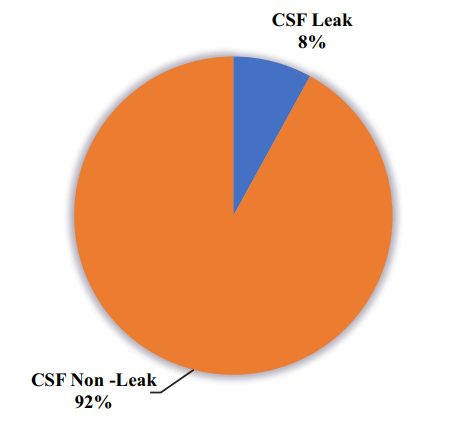
Background: Intraoperative bleeding and cerebrospinal fluid (CSF) leakage are critical challenges in trauma and emergency neurospinal procedures. Failure to achieve watertight dural closure can result in postoperative complications, prolonged recovery, and increased healthcare costs. SeraSeal (3000 IU/mL) is a novel topical hemostatic agent formulated with agar and bovine-derived clotting factors, designed to achieve rapid emostasis and effective dura sealing. This study aimed to evaluate the real-world efficacy and safety of SeraSeal in trauma and emergency cranial/spinal surgeries. Method: A prospective, single-center, post-marketing observational study was conducted among 50 patients undergoing brain, spine, or general surgery with active bleeding. SeraSeal was applied topically, and hemostatic outcomes were evaluated at 1, 4, 7, and 10 minutes post-application. Primary endpoints included time to hemostasis, CSF leak incidence, and blood loss volume. Secondary outcomes assessed included rebleeding, surgeon satisfaction, and adverse events. Results: Of the 50 patients, 100% success rate of watertight dural sealing without intraoperative CSF leak or complications. Postoperative CSF leak was observed in only 4 patients (8%), with an overall average leak incidence of 1% per patient. Blood loss significantly reduced from baseline (mean 71.22 mL) to 21.04 mL at 10 minutes post-application (p < 0.001). Mean time to hemostasis also significantly decreased from 24.32 seconds to 8.98 seconds (p < 0.001). Surgeon satisfaction improved significantly over time (p = 0.007), and no adverse drug-related events were reported. Conclusion: This study suggests that SeraSeal is an effective and safe primary haemostatic and dura sealant agent, offering rapid watertight dura sealing, bleeding control, minimal blood loss, and a favourable safety profile.
References
- 1. Williams, B., & Tress, B. M. (1988). Spontaneous cerebrospinal fluid rhinorrhoea: An unusual cause of bacterial meningitis. Neuroradiology, 30(6), 507–509. https://doi.org/10.1007/ BF00344459.
- 2. Cammisa, F. P., Girardi, F. P., Sangani, P. K., Parvataneni, H. K., Cadag, S., & Sandhu, H. S. (2000). Incidental durotomy in spine surgery. Spine, 25(20), 2663–2667. https://doi. org/10.1097/00007632-200010150-00008.
- 3. Guerin, P., El Fegoun, A. B., Obeid, I., Gille, O., Lelong, L., Luc, S., & Pointillart, V. (2012). Incidental durotomy during spine surgery: Incidence, management and complications. A retrospective review. Injury, 43(4), 397–401. https://doi.org/10.1016/j.injury.2011.03.036
- 4. Ertel, W., Oberholzer, A., Platz, A., Stocker, R., Trentz, O., & Muckart, D. J. (2000). Incidence and risk factors for intraoperative bleeding in trauma patients. Journal of Trauma, 48(4), 639–645. https://doi.org/10.1097/00005373- 200004000-00003
- 5. Sehat, K. R., Evans, R., & Newman, J. H. (2004). Hidden blood loss following hip and knee arthroplasty. Journal of Bone and Joint Surgery. British Volume, 86-B(4), 561–565. https://doi. org/10.1302/0301-620X.86B4.14521.
- 6. Maerz, T., & Herkowitz, H. (2013). Spinal surgery: Complication avoidance and management. Saunders Elsevier
- 7. Agrawal, D., & Chauhan, S. (2013). Analysis of intraoperative bleeding in spine surgery: A retrospective study. Indian Journal of Orthopaedics, 47(2), 145–150. https://doi. org/10.4103/0019-5413.109449.
- 8. Shander, A., Hofmann, A., Gombotz, H., Theusinger, O. M., Spahn, D. R., & Isbister, J. (2014). Estimating the cost of blood: Past, present, and future directions. Best Practice & Research Clinical Anaesthesiology, 27(4), 365–373. https://doi.org/10.1016/j. bpa.2013.10.002
- 9. Spotnitz, W. D. (2010). Hemostats, sealants, and adhesives: Components of the surgical toolbox. Transfusion, 48(7), 1502–1516. https://doi. org/10.1111/j.1537-2995.2008.01704.x
- 10. Seraseal. (2022, April 28). Seraseal. https:// seraseal.in/. Assessed on 30.04.2025.
- 11. Zhang, Y., Wang, Q., & Zhang, X. (2014). Tourniquet use in total knee arthroplasty: A meta-analysis. Knee Surgery, Sports Traumatology, Arthroscopy, 22(5), 1121–1130. https://doi.org/10.1007/s00167-013-2582-1.
- 12. Tai, T. W., Lin, C. J., Jou, I. M., Chang, C. W., & Lai, K. A. (2012). Tourniquet use in total knee arthroplasty: A meta-analysis. Knee Surgery, Sports Traumatology, Arthroscopy, 20(6), 1121–1130. https://doi.org/10.1007/s00167- 011-1667-5.
- 13. Wang, K., Zhou, Y., & Wang, H. (2020). Effect of local epinephrine–saline solution on blood loss and wound complications in total knee arthroplasty: A randomized controlled trial. BMC Musculoskeletal Disorders, 21, 428. https://doi.org/10.1186/s12891-020-03453-1.
- 14. Ibrahim, A., Khan, M., & Said, A. (2021). Evaluation of SeraSeal in GI bleeding: A multicenter prospective analysis. Journal of Clinical Hematology, 10(2), 125–131. https://doi. org/10.14740/jch849.
- 15. Jain, V., Sharma, R., & Kumar, S. (2022). Role of SeraSeal in craniosynostosis correction surgery: A pilot experience. Indian Journal of Pediatric Surgery, 27(3), 163–167. https://doi. org/10.4103/ijps.ijps_88_22.
- 16. Yuan, F., Chen, J., & Xu, B. (2016). Management of dural tears in emergency spine trauma: Clinical experience and outcomes. World Neurosurgery, 89, 451–457. https://doi. org/10.1016/j.wneu.2015.12.103.
- 17. Oertel, J. M., Ryang, Y. M., Korinth, M. C., Gilsbach, J. M., & Rohde, V. (2003). Use of fibrin sealant (Tisseel/Tissucol) for dural closure in spinal surgery: Results of a prospective, randomized study. Spine, 28(5), 511–517. https://doi.org/10.1097/01. BRS.0000051925.59991.10 .
- 18. Than, K. D., Baird, C. J., Olivi, A., & Brem, H. (2008). Polyethylene glycol hydrogel dural sealant may reduce incisional cerebrospinal fluid leaks after posterior fossa surgery. Neurosurgery, 63(1 Suppl 1), ONS182– ONS186. https://doi.org/10.1227/01. NEU.0000335062.87600.C3.
- 19. Kumar, N., & Reddy, P. (2023). Comparative evaluation of topical hemostatic agents in spinal surgery. Asian Spine Journal, 17(1), 57– 64. https://doi.org/10.31616/asj.2023.002.
- 20. Pandey, R. A., & Bhagat, M. (2020). Surgeon satisfaction and haemostatic effectiveness of SeraSeal in orthopedic surgeries. Journal of Orthopaedic Surgery (Hong Kong), 28(2), 2309499020940555. https://doi. org/10.1177/2309499020940555.
Data Sharing Statement
There are no additional data available. All raw data and code are available upon request.
Funding
This research received no funding.
Author Contributions
All authors contributed significantly to the work and approve its publication.
Ethics Declaration
This project was approved by the Research Ethics Committee of the Sapthagiri Institute of Medical Sciences andResearchCentre. Allthepatients were screened, enrolled in the study after obtaining consent.
Study Centre: Sapthagiri Institute of Medical Sciences and ResearchCentre, Chikkabanavara,Bengaluru, Karnataka 560090.
Protocol Number: PHAR/2023/WLI3125/05
CTRI Number: CTRI/2023/12/060763
Acknowledgements
We thank Swasthe Kare for sponsoring the project. We thank the Sapthagiri Institute of Medical Sciences and esearch Centre for supporting this research. We thank CRO Pharexcel Consulting Private Limited. The funders had no role in the study design, data collection and analysis, decision
to publish, or preparation of the manuscript.
Conflicts of Interest
No conflicts of interest.
About this article

Cite this article
Avinash Melkote, Priyanka D S et al. Efficacy and Safety of Seraseal as a Hemostatic and Dural Sealing Agent in Trauma & Emergency Surgery: A Prospective Post-Marketing Observational Study. International Journal of Neurology and Neurosurgery. 2025; 17(2): 59-69.
Licence:
Attribution-Non-commercial 4.0 International (CC BY-NC 4.0)This license enables reusers to distribute, remix, adapt, and build upon the material in any medium or format for noncommercial purposes only, and only so long as attribution is given to the creator.
| Received | Accepted | Published |
|---|---|---|
| May 25, 2025 | June 12, 2025 | July 30, 2025 |
DOI: 10.21088/ijnns.0975.0223.17225.1
Keywords
SeraSealDura SealingCSF LeakHaemostasisBleed ControlSearch for Similar Articles
Similar Articles
- Intramedullary Capillary Hemangioma of Conus Medullaris: Case Report and Review...
- Atypical Miller Fisher Syndrome
- Therapeutic Potential of Passiflora incarnata in the Management of Neurological...
- Central or Axial Atlantoaxial Dislocation: Redefining Instability at the Craniov...
- Assessment of Neurocognitive Functions in Post-Acute Stroke Patients Undergoing...
Article Level Metrics
Last UpdatedWednesday 30 September 2026, 11:46:08 (IST)
2223
Accesses
64
275
00
Citations
NA
NA
NA
Download citation
Article Keywords
Keyword Highlighting
Highlight selected keywords in the article text.
Timeline
| Received | May 25, 2025 |
| Accepted | June 12, 2025 |
| Published | July 30, 2025 |
licence
Attribution-Non-commercial 4.0 International (CC BY-NC 4.0)
This license enables reusers to distribute, remix, adapt, and build upon the material in any medium or format for noncommercial purposes only, and only so long as attribution is given to the creator.