Full Text (PDF)
Indian Journal of Research in Anthropology 11(2):p 127-135, July - Dec 2025. | DOI: /10.21088/ijra.2454.9118.11225.5
Original Article
Associations Between Handgrip Strength, Body Size, Digit Ratio, and Fluctuating Asymmetry in Kocha-Rava Young Adult Males of Alipurduar District, West Bengal, India
Mithu Bhadra, Avik Ray, Sohela Sobnam, Ashish Mukhopadhyay, Subir Biswas
Author Information
Licence:
Attribution-Non-commercial 4.0 International (CC BY-NC 4.0)This license enables reusers to distribute, remix, adapt, and build upon the material in any medium or format for noncommercial purposes only, and only so long as attribution is given to the creator.
Indian Journal of Research in Anthropology 11(2):p 127-135, July - Dec 2025. | DOI: /10.21088/ijra.2454.9118.11225.5
How Cite This Article:
Ray A, Sobnam S, Mukhopadhyay A. Associations between handgrip strength, body size, digit ratio, and fluctuating asymmetry in Kocha-Rava young adult males of Alipurduar District, West Bengal, India. Ind J Res Anthropol. 2025;11(2):127-35.Timeline
Received : May 31, 2025
Accepted : December 16, 2025
Published : December 30, 2025
Abstract
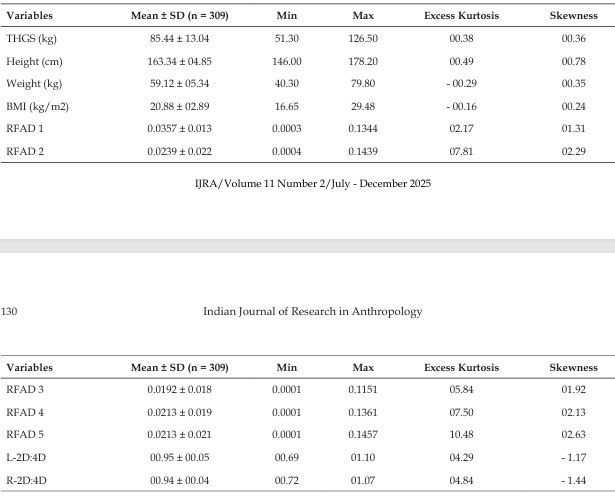
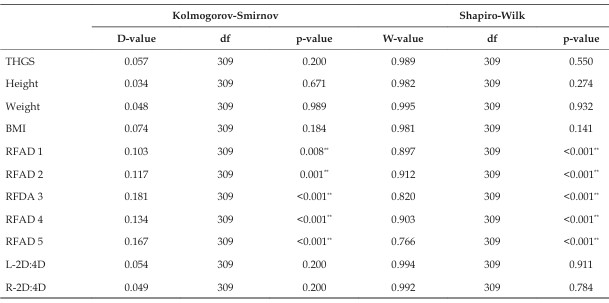
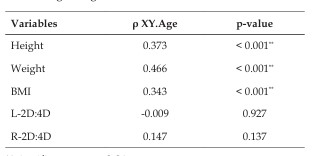
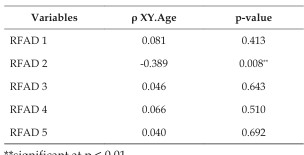
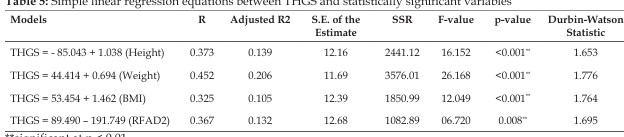
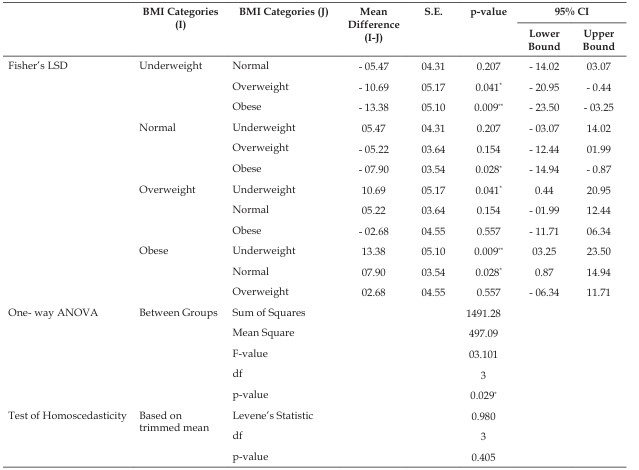
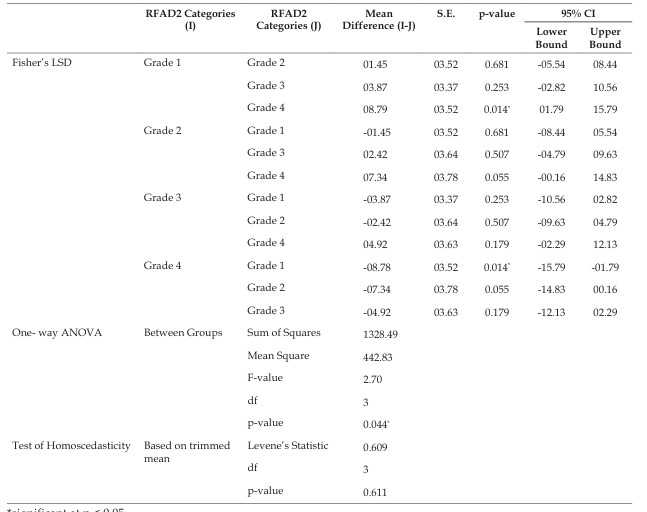
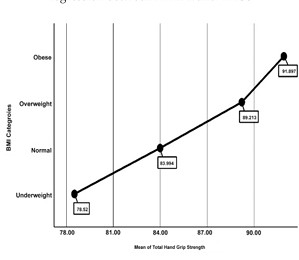
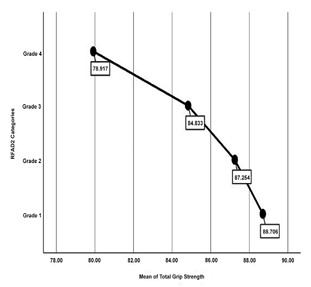
This study examined the association between total handgrip strength (THGS) and morphological markers including body mass index (BMI), height, digit ratio (2D:4D), and relative fluctuating asymmetry (RFAD) in digits among 309 males aged 22–30 years from the Kocha-Rava community in India. Anthropometric measurements and digit lengths were collected following standard protocols, and THGS was assessed using a digital dynamometer. Partial correlations controlling for age showed significant positive associations between THGS and weight, height, and BMI, while 2D:4D ratios showed no significant relationship. Notably, RFAD in the 2nd digit showed a significant negative correlation with THGS (ρ = –0.389, p = 0.008). Regression analysis confirmed weight as the strongest predictor of THGS, and one-way ANOVA revealed significant differences in THGS across BMI categories prescribed by WHO and 2nd digit RFAD quartile groups. These findings suggest that while body size strongly predicts muscular strength, digit asymmetry may also reflect underlying developmental instability associated with reduced grip strength.
References
No records found.
Data Sharing Statement
There are no additional data available.
Funding
This research received no funding.
Author Contributions
All authors contributed significantly to the work and approve its publication.
Ethics Declaration
This article does not involve any human or animal subjects, and therefore does not require ethics approval
Acknowledgements
Information Not Provided
Conflicts of Interest
No conflicts of interest in this work.
About this article

Cite this article
Ray A, Sobnam S, Mukhopadhyay A. Associations between handgrip strength, body size, digit ratio, and fluctuating asymmetry in Kocha-Rava young adult males of Alipurduar District, West Bengal, India. Ind J Res Anthropol. 2025;11(2):127-35.
Licence:
Attribution-Non-commercial 4.0 International (CC BY-NC 4.0)This license enables reusers to distribute, remix, adapt, and build upon the material in any medium or format for noncommercial purposes only, and only so long as attribution is given to the creator.
| Received | Accepted | Published |
|---|---|---|
| May 31, 2025 | December 16, 2025 | December 30, 2025 |
DOI: /10.21088/ijra.2454.9118.11225.5
Keywords
Grip StrengthAnthropometryFluctuating AsymmetryDigit RatioSearch for Similar Articles
Similar Articles
- Indigenous Knowledge System in Formal Education
- Contemporary Issues and Challenges in Women’s Weavers in the Varanasi Silk Sare...
- Understanding through Traversing the Corridors of History: Richness of Indian He...
- Challenges and Opportunities in Digital Preservation of Intangible Culture Herit...
- Assessment of Nutritional Indicators: A Comparative Study among Pre-School Child...
Article Level Metrics
Last UpdatedTuesday 07 July 2026, 05:21:04 (IST)
792
Accesses
15
223
00
Citations
NA
NA
NA
Download citation
Article Keywords
Keyword Highlighting
Highlight selected keywords in the article text.
Timeline
| Received | May 31, 2025 |
| Accepted | December 16, 2025 |
| Published | December 30, 2025 |
licence
Attribution-Non-commercial 4.0 International (CC BY-NC 4.0)
This license enables reusers to distribute, remix, adapt, and build upon the material in any medium or format for noncommercial purposes only, and only so long as attribution is given to the creator.