Full Text (PDF)
Journal of Emergency and Trauma Nursing 3(2):p 69-73, july-december 2022. | DOI: NA
Review Article
Need for more Clinical Training for Improving the Fifth Vital Signs Assessment Skill of Oncology Nurses
Avadhesh Kumar Yadav, Rajendra Kumar Sahu, Meena K Krishnan, Raman P
Author Information
Licence:
Attribution-Non-commercial 4.0 International (CC BY-NC 4.0)This license enables reusers to distribute, remix, adapt, and build upon the material in any medium or format for noncommercial purposes only, and only so long as attribution is given to the creator.
Journal of Emergency and Trauma Nursing 3(2):p 69-73, july-december 2022. | DOI: NA
How Cite This Article:
Rajendra Kumar Sahu, Avadhesh Kumar Yadav, Meena K Krishnan, et al./Need for more Clinical Training for Improving the Fifth Vital Signs Assessment Skill of Oncology Nurses/Journal of Emergency and Trauma Nursing. 2022;3(2):69–73.Timeline
Received : May 28, 2022
Accepted : June 30, 2022
Published : December 25, 2022
Abstract
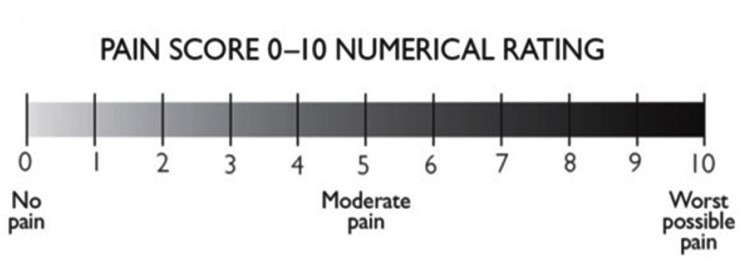
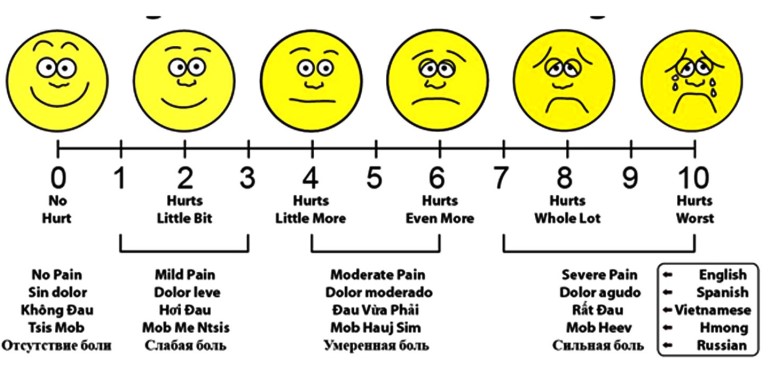
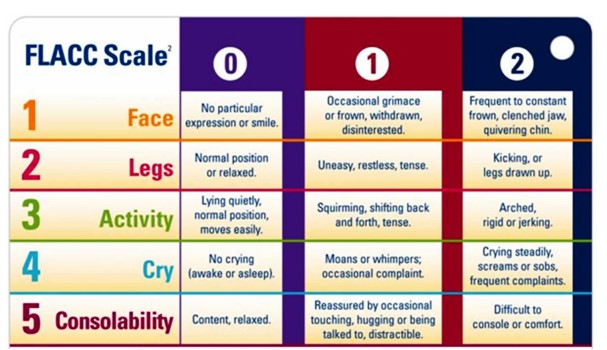
Pain is a subjective feeling, and there are no physical tools or instruments available to measure pain. Pain assessment in the clinical setting is a crucial step in the management of pain in inpatient as well as outpatients setting. Pain is accepted as a fifth vital sign in the healthcare setting, like other vital signs, pain can not be measured by any instrument because of a subjective nature as other vital signs are objective in nature. Adequate and accurate assessment and documentation, and thereupon management of pain ensures that each and every patient, from acute to chronic illnesses including terminal ill patients, hasbenefitted from efficacious pain-relieving measures. It has been estimated that 18 million people globally have cancer pain, and in that proportion, approximately 60% to 90% of the pain is caused by advanced tumors and 30% caused by mild and/or moderate tumors that can be treated by medical surgical or other therapy. Pain is classified as nociceptive and neuropathic based on the fundamental pathophysiology of pain. Assessment of pain can be done in three ways, Self-report, Behavioural how the patient behaves, and Physiological clinical observations. Conclusion: Pain is a worldwide health issue. Pain assessment & Management requires the attention of health professionals. Pain is one of the most common under evaluated vital signs in the health care sector. Under evaluation causes, discomfort to the patient as well as psychiatric problems, Better evaluation of pain stimulates good therapeutic management of it which improves the quality of life among patients pain assessment & management is complex, there are varieties of factors that affect pain assessment and management services thus a deeper understanding of the barriers and overcoming to this barrieris required for proper and effective pain management services.
References
- 1. Caffery M. [Online].; 1968 [cited 2021 November 01. Available from: www.holycrosshealth.org › assets › documentsPain Management Cases in Palliative Care - Holy Cross Hospital.
- 2. Melbourne TRCH. The Royal Children's Hospital Melbourne. [Online].; 2020 [cited 2022 March 05. Available from: https://www.rch. org.au/rchcpg/hospital_clinical_guideline_ index/Pain_assessment_and_measurement/.
- 3. Romero LCdAB. Pain: evaluation of the fifth vital sign. A theoretical reflection. 2015 OctDec; 16(4).
- 4. Nuseir K KMAB. Healthcare Providers' Knowledge and Current Practice of Pain Assessment and Management: How Much Progress Have We Made? Pain Res Manag. 2016.
- 5. Effect of a Nursing In-Service Education Program on Nurses’ Knowledge and Attitudes towards Pain Management in a Governmental Hospital in the United Arab Emirates: Experimental Random Assignment Study. Dubai medical Jpurnal. 2019;: p. 146–152.
- 6. Moceri J, DD. Journal of emergency nursing: JEN : official publication of the Emergency Department Nurses Association. Nurses’ Knowledge and Attitudes Toward Pain in the Emergency Department. 2012 July 26 ; 40.
- 7. AMN Healthcare Education Service. https:// lms.rn.com/getpdf.php/1999.pdf. [Online].; 2014 [cited 2022 April 30. Available from: https://lms.rn.com/getpdf.php/1999.pdf.
- 8. Nersesyan HaKVS. Current aproach to cancer pain management: Availability and implications of different treatment options. Therapeutics and clinical risk management. 2007; 3(3): p. 381-400.
- 9. The Royal Children's Hospital Melbourne. The Royal Children's Hospital Melbourne. [Online].; 2019 [cited 2022 April 30. Available from: https://www.rch.org.au/rchcpg/ hospital_clinical_guideline_index/Pain_ assessment_and_measurement/.
Data Sharing Statement
There are no additional data available. All raw data and code are available upon request.
Funding
This research received no funding.
Author Contributions
All authors contributed significantly to the work and approve its publication.
Ethics Declaration
This article does not involve any human or animal subjects, and therefore does not require ethics approval.
Acknowledgements
We would like to express our gratitude to the patients, their families, and all those who have contributed to this study.
Conflicts of Interest
No conflicts of interest in this work.
About this article

Cite this article
Rajendra Kumar Sahu, Avadhesh Kumar Yadav, Meena K Krishnan, et al./Need for more Clinical Training for Improving the Fifth Vital Signs Assessment Skill of Oncology Nurses/Journal of Emergency and Trauma Nursing. 2022;3(2):69–73.
Licence:
Attribution-Non-commercial 4.0 International (CC BY-NC 4.0)This license enables reusers to distribute, remix, adapt, and build upon the material in any medium or format for noncommercial purposes only, and only so long as attribution is given to the creator.
| Received | Accepted | Published |
|---|---|---|
| May 28, 2022 | June 30, 2022 | December 25, 2022 |
DOI: NA
Keywords
Pain AssessmentPainPain managementFifth Vital SignSearch for Similar Articles
Similar Articles
- Transfusion-Related Acute Lung Injury: Trali
- Fall Risk Assessment and Management: Nursing Role and Responsibilities
- A Study to assess the Effectiveness of a Structured Teaching Programme on Knowle...
- Non-randomized Control Trial to assess the Effectiveness of Structured Teaching...
- Peripheral Nerve Damage: Local “Pehalwan” or Injection Induced? The Challenge
Article Level Metrics
Last UpdatedMonday 28 September 2026, 18:09:22 (IST)
1038
Accesses
10
206
00
Citations
NA
NA
NA
Download citation
Article Keywords
Keyword Highlighting
Highlight selected keywords in the article text.
Timeline
| Received | May 28, 2022 |
| Accepted | June 30, 2022 |
| Published | December 25, 2022 |
licence
Attribution-Non-commercial 4.0 International (CC BY-NC 4.0)
This license enables reusers to distribute, remix, adapt, and build upon the material in any medium or format for noncommercial purposes only, and only so long as attribution is given to the creator.