Full Text (PDF)
Indian Journal of Waste Management 9(2):p 43-52, Jul- Dec 2025. | DOI: NA
Original Article
Knowledge & Practice about Biomedical Waste Management & Prevention of HAI among Nursing Students
Manjunath Jadhav, Tejesh Patil, Rohit Rathod
Author Information
Licence:
Attribution-Non-commercial 4.0 International (CC BY-NC 4.0)This license enables reusers to distribute, remix, adapt, and build upon the material in any medium or format for noncommercial purposes only, and only so long as attribution is given to the creator.
Indian Journal of Waste Management 9(2):p 43-52, Jul- Dec 2025. | DOI: NA
How Cite This Article:
Manjunath Jadhav, Tejesh Patil, Rohit Rathod. Knowledge & Practice about Biomedical Waste Management & Prevention of HAI among Nursing Students. Ind. Jr. Waste Manag. 2025; 9(2): 43-52.Timeline
Received : October 06, 2025
Accepted : October 22, 2025
Published : December 30, 2025
Abstract
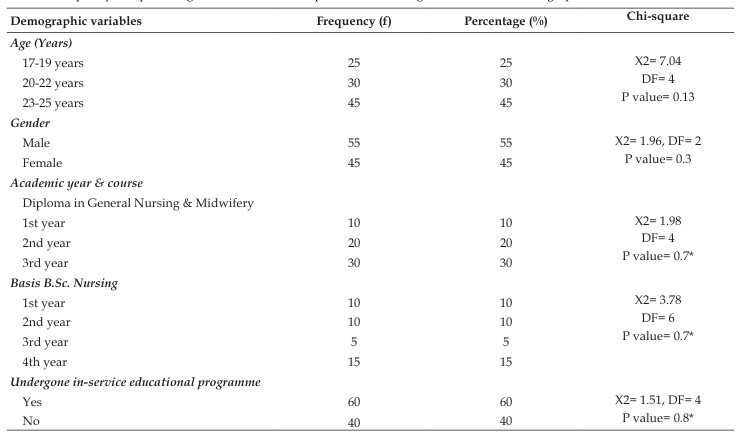
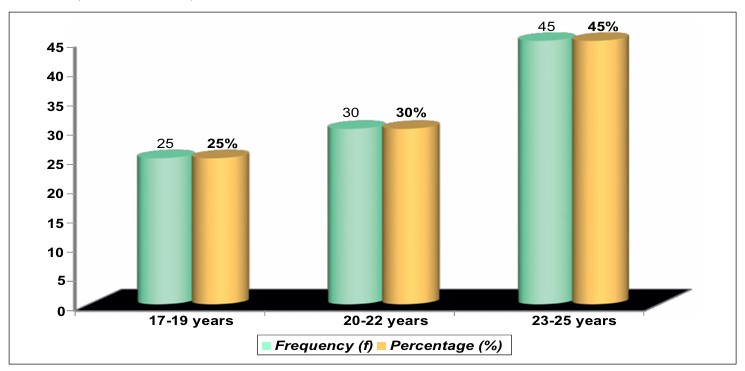
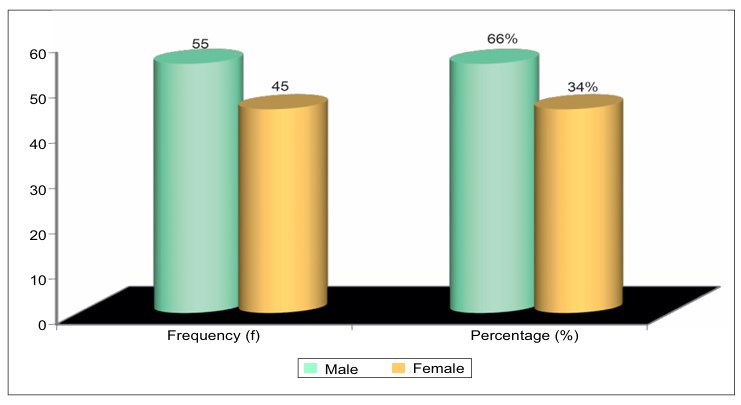
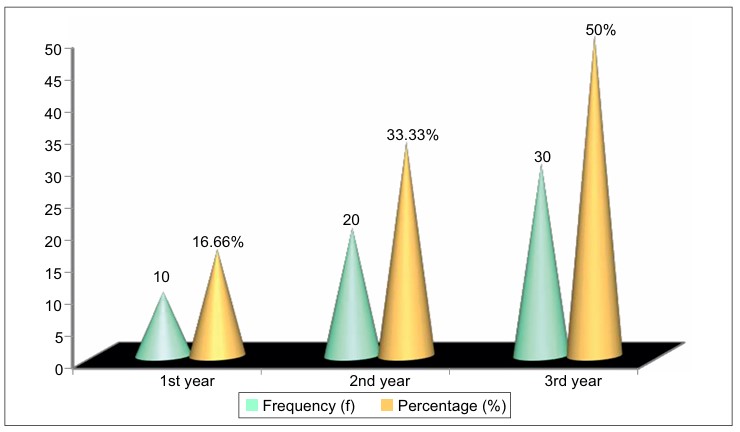
Background: In accordance with the Bio-Medical Waste Rules established in 1988 in India, bio-medical waste is defined as any waste generated during the diagnosis and treatment of humans and animals, or any waste produced during the production or testing of biological materials. The management of biomedical waste has emerged as a critical issue for healthcare providers due to its increased risk of infection and injury. Insufficient understanding of proper healthcare waste handling can lead to severe health repercussions. Aims: To evaluate the level of knowledge evaluate the level of knowledge and practice about importance of biomedical waste management and prevention of hospital acquired infection among nursing students and to determine the association between level of knowledge and practice about importance of biomedical waste management and prevention of hospital acquired infection among nursing students with selected demographic variables: Materials and Methods: The methodology employed for this study was descriptive in character, for evaluating the knowledge structured questionnaire and observational checklist were used, number of subjects were 100, sampling technique of the present study is purposive sampling. Results: Reveals that in accordance to frequency and percentage of distribution of respondents according to their selected demographic variables age distribution of chi-square value is 7.04 and p-value is 0.13. Gender distribution of chi-square value is 1.96, and p-value 0.3. Academic year & course about Diploma in General Nursing & Midwifery distribution of chi-square value is 1.98 and p-value is 0.7 (Moderately significant), about Basis B.Sc. Nursing distribution of chi-square value is 3.78 and p-value is 0.7 (Moderately significant). Undergone in-service educational programme distribution of chi-square value is 1.51 and p-value is 0.8* (Highly significant). Conclusion: Majority of the respondents interpreted from the results that there exist a significant association between knowledge and practices with age, educational qualification (general and B.Sc. Nursing), it was noticeable from the findings that, majority of health team members (87%) were never exposed to any in-service educational programme regarding biomedical waste management. This fact stressed the need to spread the message through conducting in-service educational programmes at tertiary care hospital Belagavi. KEY MESSAGE: Prior attending in-service education programme the students have poor and average knowledge score were as after attending in-service education programme on regular basis all students acquire good knowledge and practice about Biomedical Waste Management that helps to reduce the number of Hospital Acquired Infections.
References
- 1. Rajan R, Robin D T. Biomedical waste management in Ayurveda hospitals–current practices and future prospective. Journal of Ayurveda and integrative medicine. 2019 Jul 1; 10(3):214-21.
- 2. Lancu D, Moldovan I, Tilea B, Voidazan S. Evaluating healthcare-associated infections in public hospitals: a cross-sectional study. Antibiotics. 2023 Dec 2; 12(12):1693.
- 3. Singh N, Ogunseitan OA, Tang Y. Medical waste: Current challenges and future opportunities for sustainable management. Critical Reviews in Environmental Science and Technology. 2022 Jun 3; 52(11):2000-22.
- 4. Patil A D, Shekdar A V. Health-care waste management in India. Journal of environmental management. 2001 Oct 1; 63(2):211-20.
- 5. Singh D, Aryan Y, Chavan D, Tembhare M, Dikshit AK, Kumar S. Mask consumption and biomedical waste generation rate during Covid-19 pandemic: A case study of central India. Environmental Research. 2022 Sep 1; 212:113363.
- 6. Sen T. The Yuan Khanate and India: crosscultural diplomacy in the thirteenth and fourteenth centuries. Asia Major. 2006 Jan 1:299-326.
- 7. Dev G, Thressiamma P M, Sunil M B. A Study to assess the knowledge and Practices regarding Biomedical Waste Management among health team members of selected Primary Health Centres, Bangalore South. International Journal of Nursing Education and Research. 2019; 7(4):501-11.
- 8. Singh R, Kishore J, Mathur RG, Mandal K, Puri S. The role of an information booklet on bio-medical waste management for nurses. Nursing Journal of India. 2002 Dec 1; 93(12):271.
- 9. Das M, Khati P, Banik R, Bhowmik A, Chakraborty M, Das B, Das P, Bhowmick P, Dutta N, Biswas M, Biswas S. A study to assess the knowledge regarding bio-medical waste management among the staff nurses working in selected hospital, Siliguri. International Journal of Advances in Medicine. 2022 Nov; 9(11):1108.
- 10. Dev G, Thressiamma P M, Sunil M B. A Study to assess the knowledge and Practices regarding Biomedical Waste Management among health team members of selected Primary Health
- 11. Taghipour H, Mosaferi M. Characterization of medical waste from hospitals in Tabriz, Iran. Science of the total environment. 2009 Feb 15; 407(5):1527-35.
- 12. Saini S, Nagarajan SS, Sarma RK. Knowledge, attitude and practices of bio-medical waste management amongst staff of a tertiary level hospital in India. J Acad Hosp Adm. 2005 Jan 12; 17(2):1-2.
Data Sharing Statement
There are no additional data available. All raw data and code are available upon request.
Funding
This research received no funding.
Author Contributions
All authors contributed significantly to the work and approve its publication.
Ethics Declaration
This article does not involve any human or animal subjects, and therefore does not require ethics approval.
Acknowledgements
We would like to express our gratitude to the patients, their families, and all those who have contributed to this study.
Conflicts of Interest
No conflicts of interest in this work.
About this article

Cite this article
Manjunath Jadhav, Tejesh Patil, Rohit Rathod. Knowledge & Practice about Biomedical Waste Management & Prevention of HAI among Nursing Students. Ind. Jr. Waste Manag. 2025; 9(2): 43-52.
Licence:
Attribution-Non-commercial 4.0 International (CC BY-NC 4.0)This license enables reusers to distribute, remix, adapt, and build upon the material in any medium or format for noncommercial purposes only, and only so long as attribution is given to the creator.
| Received | Accepted | Published |
|---|---|---|
| October 06, 2025 | October 22, 2025 | December 30, 2025 |
DOI: NA
Keywords
Comparative StudyKnowledgeBiomedical Waste ManagementPreventionHospital Acquired InfectionSearch for Similar Articles
Similar Articles
- Pet Poop, Waste Management, Strays
- Recycling of Waste Materials Generated in the streets of Puducherry (Pondicherr...
- A Study on Benefits, Challenges and Role of Artificial Intelligence in Law
- Evaluation of MPKV Central Campus (West), Rahuri (M.S.) Watershed for Priority...
- Indus Waters Treaty Hidden Tensions, Flowing Rivers
Article Level Metrics
Last UpdatedSunday 18 October 2026, 15:36:06 (IST)
1003
Accesses
38
188
00
Citations
NA
NA
NA
Download citation
Article Keywords
Keyword Highlighting
Highlight selected keywords in the article text.
Timeline
| Received | October 06, 2025 |
| Accepted | October 22, 2025 |
| Published | December 30, 2025 |
licence
Attribution-Non-commercial 4.0 International (CC BY-NC 4.0)
This license enables reusers to distribute, remix, adapt, and build upon the material in any medium or format for noncommercial purposes only, and only so long as attribution is given to the creator.