Full Text (PDF)
Journal of Forensic Chemistry and Toxicology 10(2):p 67-70, July - Dec 2024. | DOI: http://dx.doi.org/10.21088/jfct.2454.9363.10224.1
Original Article
Detection of Mustard Oil Adulteration in Kanpur City
Nand Lal, Anuradha Tiwari, Neelam Pal, Aman Katiyar, Shashank Jaiswal
Author Information
Licence:
Attribution-Non-commercial 4.0 International (CC BY-NC 4.0)This license enables reusers to distribute, remix, adapt, and build upon the material in any medium or format for noncommercial purposes only, and only so long as attribution is given to the creator.
Journal of Forensic Chemistry and Toxicology 10(2):p 67-70, July - Dec 2024. | DOI: http://dx.doi.org/10.21088/jfct.2454.9363.10224.1
How Cite This Article:
Tiwari A, Pal N, Katiyar A, Jaiswal S, Lal N. Detection of mustard oil adulteration in Kanpur City. J Forensic Chem Toxicol. 2024;10(2):67–70.Timeline
Received : September 01, 2024
Accepted : November 13, 2024
Published : December 28, 2024
Abstract
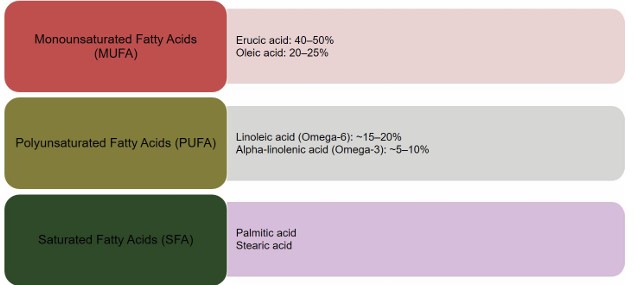
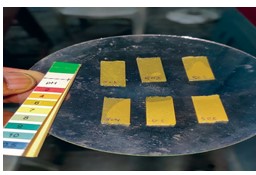
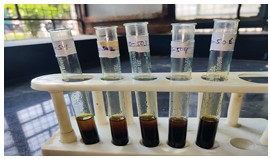
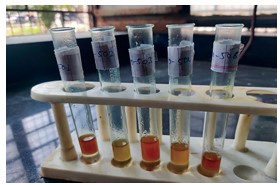
Mustard oil, derived from Brassica plant seeds, is a common culinary and medicinal oil known for its unique chemical composition, including fatty acids such as erucic acid, oleic acid, linoleic acid, and alpha-linolenic acid. However, its widespread adulteration with cheaper oils, like sesame and argemone oil, has raised concerns regarding its quality and safety. This study aimed to detect adulteration in mustard oil samples collected from grocery shops in Kanpur City, India, and evaluate the presence of common adulterants using chemical tests. The primary objective was to identify and quantify the adulteration of mustard oil with sesame and argemone oil using qualitative chemical methods, thereby assessing the purity and safety of mustard oil available in the local market. Six mustard oil samples (MO1-MO6) were collected from different grocery stores in Kanpur city. Chemical reagents used for the tests included nitric acid, hydrochloric acid, and furfural. The pH of most mustard oil samples deviated from the expected range of 5-6, suggesting possible adulteration. The Baudouin test confirmed the presence of sesame oil in five out of six samples, while the argemone test identified argemone oil adulteration in three samples based on color changes. The study highlights significant adulteration in mustard oil sold in Kanpur City, with sesame and argemone oils being the most common adulterants. The findings underscore the need for stronger regulatory measures and increased consumer awareness to ensure the safety and quality of mustard oil.
References
- 1. Harbatum B., Hubbermann E.M., Zhu Z., Schwarz K. Impact of fermentation on phenolic compounds in leaves of Pak Choi (Brassica campestris L. ssp. chinensis var. communis) and Chinese leaf mustard (Brassica juncea Coss). J. Agric Food Chem. 2008; 56(1):148–57.
- 2. Olsen H., Aaby K., Borge G.I.A. Characterization and quantification of hydroxycinnamic acids in curly kale (Brassica oleracea L. convar. Acephala var. sabellica) by HPLC-DAD-ESI-MSn. J Agric Food Chem. 2009; 57(7):2816–25.
- 3. Olsen H., Aaby K., Borge G.I.A. Characterization, quantification, and yearly variation of the naturally occurring polyphenols in a common red variety of curly kale (Brassica oleracea L. convar. Acephala var. sabellica cv. ‘Redbor’). J. Agric Food Chem. 2010; 58(19):11346–54.
- 4. Lin L-Z, Sun J., Chen P., Harnly J. UHPLC-PDA ESI/HRMS/MSn analysis of anthocyanins, f lavonol glycosides, and hydroxycinnamic acid derivatives in red mustard greens (Brassica juncea Coss variety). J. Agric Food Chem. 2011; 59(22):12059–72.
- 5. Sun J., Xiao Z., Lin L., Lester G.E., Wang Q., Harnly J.M., et al. Profiling polyphenols in five Brassica species microgreens by UHPLC-PDA-ESI/HRM. J. Agric Food Chem. 2013; 61(46):10960–70.
- 6. Rachineni K., Sharma P., Shirke V.S., Mishra K, Awasthi N.P. Facile and rapid detection of adulteration in mustard oils: NMR and unsupervised machine learning. Food Control. 2023; 150.
- 7. Amsaraj R., Mutturi S. Support vector machine based rapid detection and quantification of butter yellow adulteration in mustard oil using NIR spectra. Infrared Phys Technol. 2023; 129.
- 8. Banti M. Food adulteration and some methods of detection. Int J Nutr Food Sci. 2020; 9(2):86–94.
- 9. Shukla A.K., Dixit A.K., Singh R.P. Detection of Argemone oil in mustard oil. J. Oleo Sci. 2005; 2(2):81–3. f lavonoids and
- 10. Cordella C., Moussa I., Martel A.C., Sbirrazzuoli N., Lizzani-Cuvelier L. Recent developments in food characterization and adulteration detection: technique-oriented perspectives. J. Agric Food Chem. 2002; 50 (7):1751–64.
- 11. Anita G., Neetu S. Hazards of new technology in promoting food adulteration. J. Environ Sci Toxicol Food Technol. 2013;5(1):8–10.
- 12. Awasthi S., Jain K., Das A., Alam R., Surti G., Kishan N. Analysis of food quality and food adulterants from different departmental & local grocery stores by qualitative analysis for food safety. J. Environ Sci Toxicol Food Technol. 2014; 8(2):22–6.
Data Sharing Statement
There are no additional data available.
Funding
This research received no funding.
Author Contributions
All authors contributed significantly to the work and approve its publication.
Ethics Declaration
This article does not involve any human or animal subjects, and therefore does not require ethics approval
Acknowledgements
Information Not Provided
Conflicts of Interest
No conflicts of interest in this work
About this article

Cite this article
Tiwari A, Pal N, Katiyar A, Jaiswal S, Lal N. Detection of mustard oil adulteration in Kanpur City. J Forensic Chem Toxicol. 2024;10(2):67–70.
Licence:
Attribution-Non-commercial 4.0 International (CC BY-NC 4.0)This license enables reusers to distribute, remix, adapt, and build upon the material in any medium or format for noncommercial purposes only, and only so long as attribution is given to the creator.
| Received | Accepted | Published |
|---|---|---|
| September 01, 2024 | November 13, 2024 | December 28, 2024 |
DOI: http://dx.doi.org/10.21088/jfct.2454.9363.10224.1
Keywords
Mustard oilChemical compositionAdulterantsDetection of adulterants.Chemical compositionAdulterantsDetection of adulterants.Search for Similar Articles
Similar Articles
- Lethal Poisoning Cases: The Poisoning Cases of India: A Review Study
- Deciphering the Secrets of Magic Pen Inks: A Review
- From Effluents to Exposure: Wastewater-Based Epidemiology in Occupational and En...
- Sub Standard and Falsified Drugs Toxicity: An Alarming Concern of Today
- Detection and Identification of Kerosene in Turpentine Oil: A Review
Article Level Metrics
Last UpdatedTuesday 21 July 2026, 23:33:13 (IST)
890
Accesses
11
94
00
Citations
NA
NA
NA
Download citation
Article Keywords
Keyword Highlighting
Highlight selected keywords in the article text.
Timeline
| Received | September 01, 2024 |
| Accepted | November 13, 2024 |
| Published | December 28, 2024 |
licence
Attribution-Non-commercial 4.0 International (CC BY-NC 4.0)
This license enables reusers to distribute, remix, adapt, and build upon the material in any medium or format for noncommercial purposes only, and only so long as attribution is given to the creator.